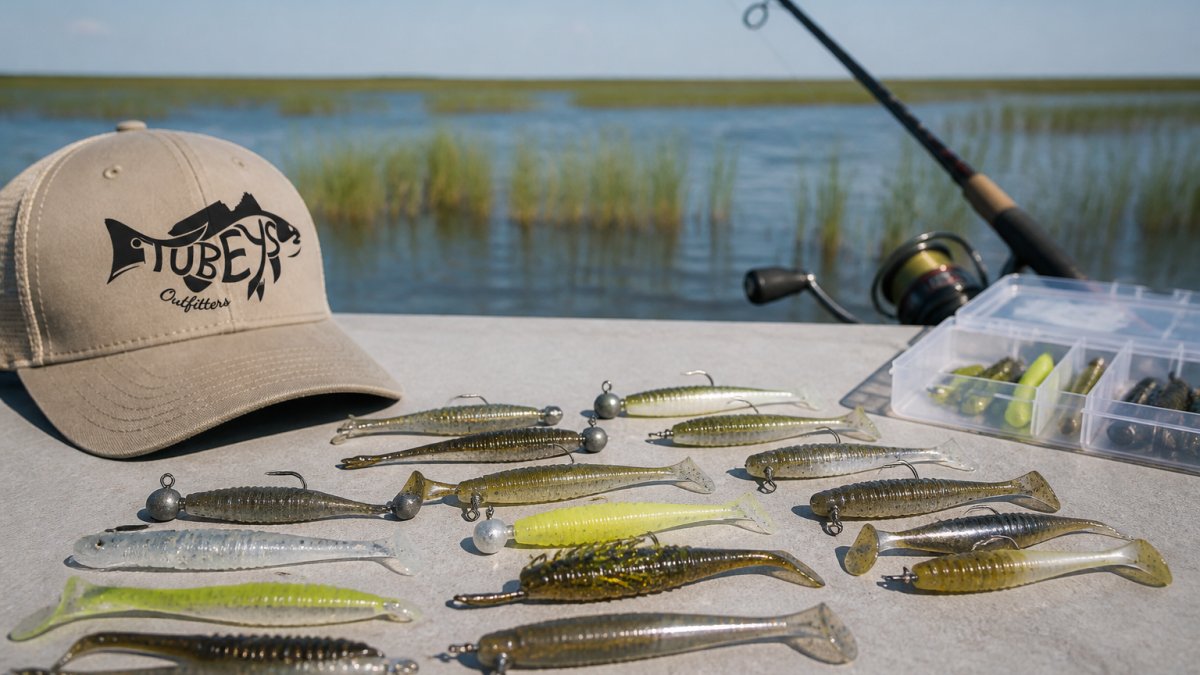
 comparison
Best Affordable Soft Plastics for Real-World Fishing
Table of Contents
- What Makes Affordable Soft Plastics Worth Your Money
- Best Soft Plastic Lures for Redfish in Inshore Waters
- Soft Plastics for Speckled Trout: Rigging and Technique
- How to Rig Soft Plastic Lures for Different Conditions
- Inshore Fishing Rod and Reel Setup for Soft Plastics
- Durability and Material Quality: What Holds Up in Real Conditions
- Freshwater and Saltwater Performance: One Setup, Two Environments
- Fishing Line Selection and Compatibility
- Conclusion: Building Your Affordable, High-Performance Setup
- Frequently Asked Questions
Last Updated: October 6, 2026
What Makes Affordable Soft Plastics Worth Your Money
Choosing the right soft plastic lures doesn't mean spending premium dollars on every bait. At Tubey's Outfitters, we've spent years testing affordable soft plastics in saltwater and freshwater, and quality gear with proven action and durable materials puts more fish in the boat than expensive lures that sit unused.
A lure that falls apart after a few bites, loses shape in warm water, or doesn't move naturally wastes your time and money. Affordable soft plastics from manufacturers who understand fish behavior deliver consistent results whether you're chasing redfish on the Lower Laguna Madre flats or bass in freshwater lakes.
What separates affordable soft plastics from cheap alternatives is durability and action. A bait that costs half as much but lasts three times longer beats an expensive lure that shreds after two fish, and a soft plastic with the right weight distribution and tail taper triggers bites even when conditions are tough. Below, we'll show you how to evaluate affordable soft plastics, rig them for different situations, and pair them with the right rod and reel.
Best Soft Plastic Lures for Redfish in Inshore Waters
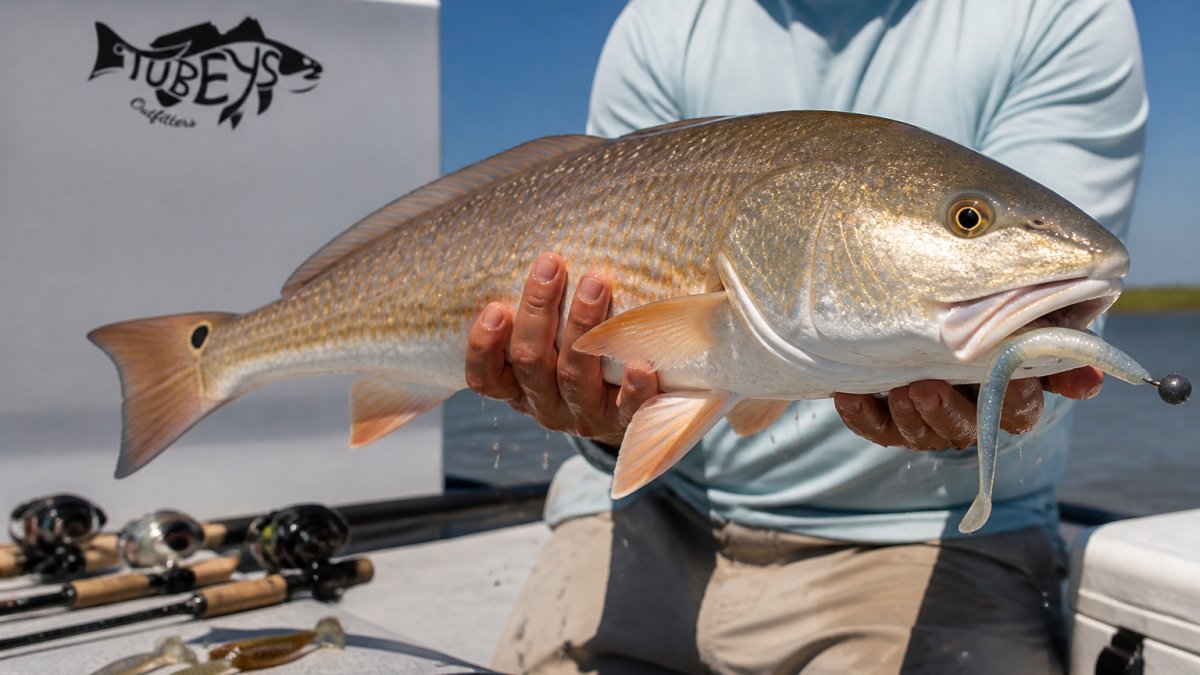
Redfish in the Lower Laguna Madre and other inshore saltwater systems respond aggressively to soft plastics that mimic natural forage. The best affordable soft plastics for redfish have a natural profile, subtle tail action, and colors matching local baitfish and crustaceans.
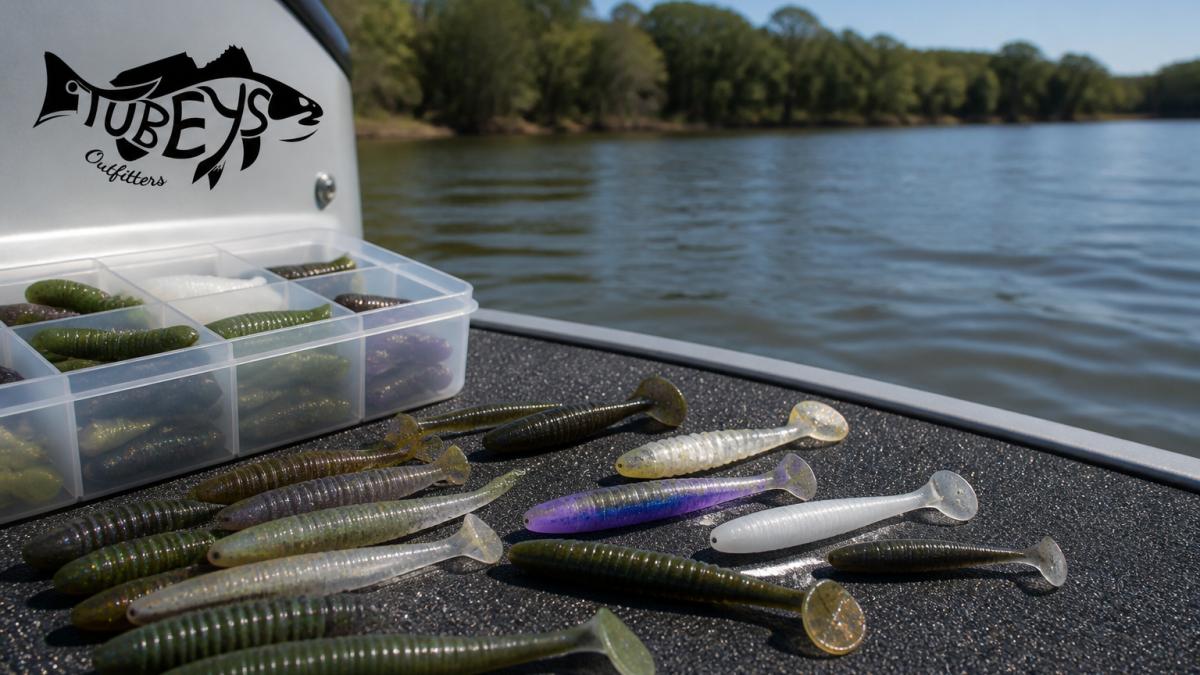
Stick baits and shad-profile soft plastics work exceptionally well for redfish because they present a realistic silhouette. Redfish hunt by sight and lateral line detection, so a lure that looks and moves like a mullet or pinfish draws strikes consistently. Focus on baits with a tapered body that moves naturally even on a slow retrieve.
For deeper channels and faster-moving current, a swimbait profile works better than a stick bait. Soft swimbaits with a pronounced tail kick push water and create vibration that redfish detect from distance.
Color selection depends on water clarity and light. In clear water, natural colors like pearl, silver, and tan match actual baitfish. In stained water, brighter colors and contrasting stripes help redfish locate your lure. Affordable soft plastics in proven colors, pearl white, chartreuse, and dark green, outperform exotic combinations that cost more but deliver no advantage.
Match lure size to available forage. A 4- to 5-inch stick bait or swimbait represents the mullet and pinfish redfish naturally hunt. Oversized lures cost more, attract fewer strikes, and waste plastic. Stick with proven sizes and colors to catch more fish for less.
Soft Plastics for Speckled Trout: Rigging and Technique
Speckled trout are aggressive hunters that respond to smaller, more subtle soft plastics than redfish prefer. Trout hunt by sight in shallow, clear water, so lure action and presentation matter more than size.
The best affordable soft plastics for trout are jerk baits and small shad profiles in the 2- to 4-inch range. A jerk bait rigged on a light jig head, worked with sharp rod movements, darts side to side like an injured baitfish.
Speckled trout also respond to soft plastics on drop-shot rigs, especially in deeper channels and around structure. A drop-shot suspends your lure above the bottom and keeps it in the strike zone longer, ideal where trout hold near oyster beds and submerged timber.
Color choices for trout should reflect local forage. Where glass minnows are abundant, translucent or pearl soft plastics work best; where mullet dominate, natural tan and silver patterns produce more strikes. Affordable soft plastics in these proven colors outfish expensive, gimmicky options.
The real advantage with affordable soft plastics for trout is that you can use them aggressively. Trout fishing means working structure where snags and lost lures are inevitable. When your soft plastics cost less, you work cover more confidently and make more casts, more opportunities for strikes.
How to Rig Soft Plastic Lures for Different Conditions
Rigging is where an affordable soft plastic earns its keep or gets thrown away after one cast. The rig must match the bait's body length, the depth and current, and the cover you're dragging through. Get one wrong and the bait twists, ball-ups on the hook, or sits dead in the water.
Here is the rigging matrix we use on the Lower Laguna Madre grass flats and the freshwater lakes we fish the rest of the year. Weights are in ounces, hook sizes use the standard offset/wide-gap scale, and "best for" reflects what the rig actually does well.
Rig | Bait Style | Bait Length | Hook Size | Weight | Depth / Condition | Best For |
|---|---|---|---|---|---|---|
Texas rig, unpegged | Stick bait, creature | 4-5 in | 3/0-4/0 offset | 1/16-1/8 oz bullet | 0-6 ft, grass, no hard cover | Potholing grass flats, skipping under mangroves |
Texas rig, pegged | Stick bait, craw | 4-5 in | 3/0-4/0 offset | 1/8-1/4 oz bullet + stopper | 2-8 ft, wood and shell | Punching matted grass, working dock pilings |
Weighted swimbait hook | Paddle-tail swimbait | 3.5-5 in | 4/0-5/0 weighted | 1/8-3/8 oz integrated | 2-12 ft, open water, moderate current | Slow-rolling over sand and shell, covering water |
Jig head, round | Shad, jerk shad | 3-4 in | 2/0-3/0 jig hook | 1/8-3/8 oz | 4-15 ft, current seams | Vertical jigging over structure, drift fishing |
Jig head, football | Craw, creature | 3-4 in | 3/0-4/0 | 1/4-1/2 oz | 8-20 ft, rock and shell | Dragging ledges, feeling bottom composition |
Drop-shot | Finesse worm, jerk shad | 3-4 in | 1/0-2/0 drop-shot | 1/8-1/2 oz cylinder | 10-30 ft, slack to light current | Suspended fish, winter trout, deep bass |
Ned / mushroom head | TRD-style stick | 2.5-3 in | 1/0-2/0 | 1/16-3/16 oz | 0-10 ft, finesse | Pressured fish, cold fronts, clear water |
Unweighted / weightless | Stick bait, fluke | 4-5 in | 3/0-5/0 wide gap | None | 0-4 ft, calm surface | Topwater walk-the-dog, skipping under docks |
A few rules of thumb that keep the matrix honest:
- Hook gap should be roughly half the bait's body width. Too small and the hook can't clear the plastic on the set; too large and the bait slides down the shank and ball-ups.
- Match hook length to bait length, not to fish size. A 5-inch stick bait wants a 4/0 or 5/0; a 3-inch finesse worm wants a 1/0 or 2/0. Oversized hooks tear the nose and kill tail action.
- Weight follows current, not depth. A 1/8-ounce jig head holds bottom in 10 feet of slack water; the same head in a moving tidal seam needs 3/8 ounce to stay in contact. Read the water, not the depth finder.
- Peg the Texas rig when you're punching. An unpegged bullet slides up the line on the fall, which is fine in open grass but lets the bait separate from the weight in matted cover.
For inshore saltwater, the two rigs that do the most work are the weighted swimbait hook and the unpegged Texas rig. The swimbait hook slow-rolls a paddle tail across sand and shell without snagging; the Texas rig gets a stick bait through grass without fouling. On freshwater, the same two rigs cover bass in grass and timber, one tackle tray serves both environments.
Rigging compatibility also drives how long a bait lasts. A bait rigged Texas style, with the hook point seated in the plastic's spine, survives repeated casts through grass; the same bait nose-hooked on a jig head tears out after a handful of fish. Match the rig to the cover and the bait outlasts its price tag.
Inshore Fishing Rod and Reel Setup for Soft Plastics
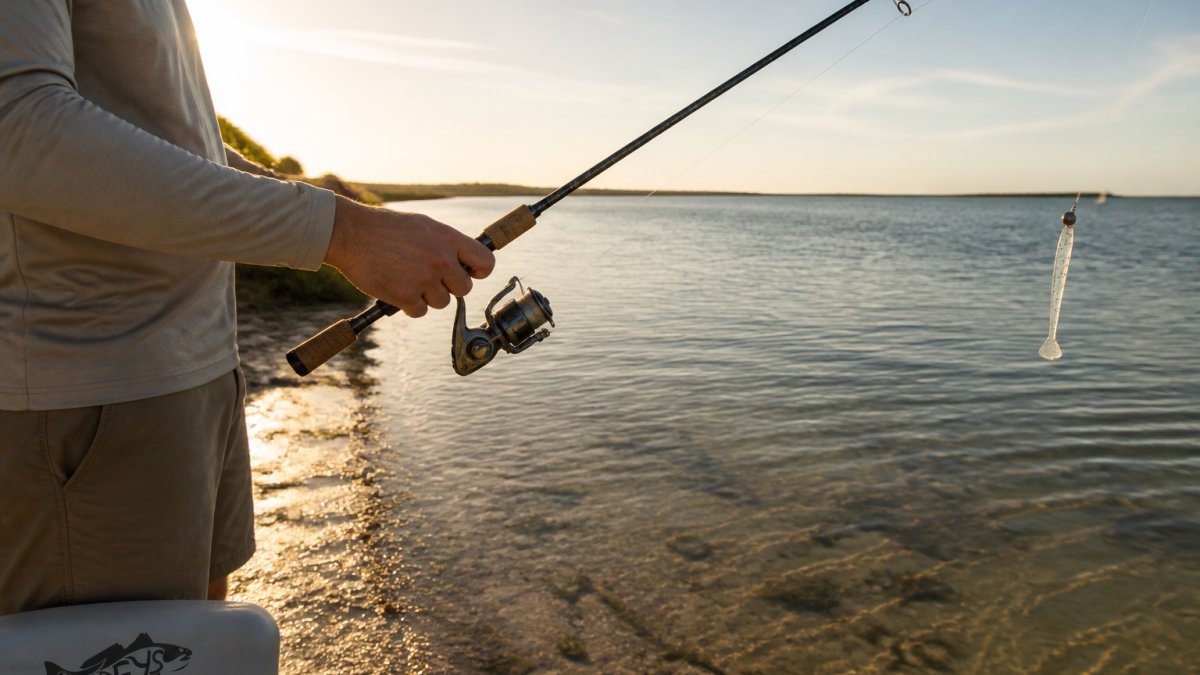
The rod and reel you choose directly impacts how effectively you fish soft plastics. A properly matched setup lets you feel subtle bites, control lure action, and land fish consistently.
For inshore saltwater with soft plastics, a medium-light to medium-power rod in the 6.5- to 7-foot range balances sensitivity and control.
Reel selection matters equally. A baitcasting reel with a smooth drag gives the precision needed for light jig heads and accurate casts; spinning reels suit anglers who prefer easier casting. Either style needs a drag that applies smooth pressure without sudden jerks that break light line.
Line choice affects how well your soft plastics perform. For inshore saltwater, 15- to 20-pound braided main line provides sensitivity and strength without bulk, letting you feel every movement and detect subtle strikes.
Freshwater setups follow the same principles with lighter line. A medium-light spinning rod with 8- to 12-pound braid and a 6- to 8-pound fluorocarbon leader works well for bass and pike in lakes and rivers, allowing smaller jig heads and more natural lure movement.
At Tubey's Outfitters, matching your rod, reel, and line to the conditions and lure weights you'll use beats a generic "all-purpose" setup.
Durability and Material Quality: What Holds Up in Real Conditions
Durability claims are easy to make and hard to verify, so we run a simple, repeatable test on every soft plastic we stock. It takes one afternoon and a notebook, and tells you more than any package copy.
The field test we use:
- Rig one bait on the same hook and weight you'd actually fish.
- Fish it until it fails, defined as one of: the tail tears off, the body splits at the hook slot, the bait won't stay on the hook for a full cast, or the color has faded enough that you'd swap it out.
- Log the number of fish landed, the number of snags survived, and the total minutes in the water.
- Repeat with a second bait of the same model to rule out a bad pour.
Most practitioners find that a bait's usable life falls into one of three bands: under 5 fish, 5-15 fish, or 15-plus fish. The band matters more than the exact number, because it tells you how many baits to carry for a tide.
Cost per bait and cost per fish. The metric that matters is cost per fish, not cost per pack. Divide pack price by bait count for cost per bait, then divide by the fish a bait survives for cost per fish.
What the materials actually do.
- Standard PVC plastisol is the baseline. It's soft, cheap, and takes color well, but it tears at the hook slot and hardens in heat. Expect the lower durability band in summer.
- Salt-infused and scent-loaded plastisol adds flavor and a bit of weight, but the salt can accelerate tearing at the nose. Rig these with a screw-lock or a dab of superglue at the collar.
- Elastomer compounds (the family that includes ElaZtech) stretch instead of tearing and resist UV degradation. They hold shape across multiple trips, but they're buoyant, so they fish differently on a jig head and need a slightly heavier weight to sink at the same rate.
- Molded tails vs. glued tails. A tail molded as part of the body will not separate. A glued or heat-bonded tail can fail after repeated stress, especially in warm water. Run a thumbnail along the seam; if you can feel a ridge, it's a bonded tail.
Color retention. UV and salt both fade plastisol. A bait that starts pearl and ends translucent has lost most of its flash. Store baits out of direct sun in a closed box and rotate stock so the oldest get fished first. Proven colors in quality material catch fish longer than faded cheap alternatives.
Storage and safe disposal. Soft plastics don't belong in the water, on the deck, or in the trash where they can blow back in. Keep them in a sealed box with dividers so torn baits don't fuse into good ones in heat. When a bait is done, bag it and take it home; many tackle shops and marinas now have a soft-plastic recycling bin.
Freshwater and Saltwater Performance: One Setup, Two Environments
The same soft plastics and rigging techniques that work in inshore saltwater also produce in freshwater lakes and rivers. The key difference is adjusting lure size, color, and presentation to match local forage and water conditions.
In freshwater, soft plastics in the 3- to 5-inch range work well for bass, pike, and other predators. The same stick baits and swimbaits effective for redfish and trout in saltwater trigger aggressive strikes from freshwater fish.
Freshwater presentations often involve working cover more aggressively than saltwater. Bass and pike hide in thick grass, timber, and rocky structure, so Texas-rigged soft plastics that come through cover without constant hang-ups are essential. The same rigging that works around oyster beds and mangroves applies to freshwater cover.
Water temperature affects soft plastic performance in both environments. In cold water, slower retrieves and smaller lures produce more strikes; in warm water, faster retrieves and larger profiles trigger aggressive responses.
Current affects lure presentation in both saltwater and freshwater. Strong tidal current in inshore waters requires heavier jig heads to maintain bottom contact. River current requires similar adjustments. Slack water in both environments allows lighter presentations and more subtle lure movement.
The advantage of affordable soft plastics is keeping multiple setups ready, one for saltwater and one for freshwater. When your soft plastics are inexpensive, you're more likely to have the right lure for the conditions you encounter, and that translates to more fish caught.
Fishing Line Selection and Compatibility
The line you choose affects how well your soft plastics perform and how effectively you set the hook and land fish. Line selection depends on species, water clarity, and jig head weight.
Braided line offers superior sensitivity and strength for soft plastic fishing. With virtually no stretch, you feel every movement of your lure and detect strikes instantly. For inshore saltwater, 15- to 20-pound braid is standard; for freshwater, 8- to 12-pound braid works well.
Monofilament stretches more than braid, which helps when fighting large fish, the stretch acts as a shock absorber. But stretch also reduces sensitivity, making it less ideal for light jig heads. If you prefer mono, choose a quality low-stretch brand.
Fluorocarbon leader provides invisibility in clear water and abrasion resistance around shell and structure. A 2- to 3-foot fluorocarbon leader tied to braided main line gives you the best of both: sensitivity from braid, invisibility from fluorocarbon.
Line weight compatibility with jig head weight is critical. Light jig heads (1/16 to 1/8 ounce) need lighter line that won't overpower the lure's natural movement; heavy jig heads (3/8 to 1/2 ounce) handle heavier line without sacrificing action. Mismatching the two reduces lure effectiveness.
The connection between main line and leader should be secure and smooth. A Palomar or improved clinch knot provides reliable strength, and some anglers prefer a loop-to-loop connection for quick leader changes.
Conclusion: Building Your Affordable, High-Performance Setup
Building an effective soft plastic setup doesn't require premium dollars on every component. The real value in affordable soft plastics comes from understanding what makes them work: natural action, durable materials, proven colors, and proper rigging for your conditions.
Start with a quality rod and reel matched to the lure weights you'll fish. Add braided main line with a fluorocarbon leader for sensitivity and invisibility. Stock proven soft plastic colors and profiles, stick baits, swimbaits, and jerk baits in natural tones matching local forage, and rig them for the depth and structure you're fishing. Test them locally and replace them when they lose shape or color.
At Tubey's Outfitters, we design soft plastic lures and custom fishing rods for anglers who want high-quality gear built for real-world conditions without premium price tags. Our soft plastics use proven colors, strong action, and the durability we trust on our own boats, whether we're chasing redfish and trout on the Lower Laguna Madre or bass in freshwater. We test every product in both environments.
Frequently Asked Questions
What makes affordable soft plastics different from premium brands?
Affordable soft plastics deliver real-world performance through proven shapes, colors, and actions tested in actual fishing conditions rather than marketing hype. Quality materials like ElaZtech maintain shape retention and durability across repeated casts, snags, and bites. The difference isn't in the price tag—it's in honest design by anglers who fish the same waters you do. Brands that test in both freshwater and saltwater prove their gear works where it matters most.
Which soft plastic lures work best for redfish in inshore waters?
Redfish respond to soft plastics that mimic natural prey in shallow inshore environments. Shrimp imitations, small swimbaits, and paddle-tail designs work across clear and stained water. The key is matching the lure size to local forage—smaller plastics (2-3 inches) in clear water, slightly larger (3-4 inches) in stained conditions. Redfish hunt by sight and feel, so lure action and natural movement matter as much as color. Test multiple patterns in your local waters to find what produces.
How do you rig soft plastic lures for different fishing conditions?
Rigging depends on water depth, current, and target species. Texas rigs (plastic threaded on an offset hook with a bullet weight) work in shallow grass and structure. Carolina rigs excel in deeper water and moving current. Wacky rigging (hook through the middle) creates maximum action in calm water. For inshore saltwater, lighter weights and shorter leaders prevent spooking fish in shallow flats. Match your hook size to lure size, and adjust weight based on depth and current speed to maintain proper presentation.
What rod and reel setup works best for soft plastic lures in inshore fishing?
Inshore soft plastic fishing demands rods rated 6-7 feet with medium-light to medium action for sensitivity and control. Spinning reels with smooth drag systems handle the variable fight of redfish and trout without breaking light lines. Monofilament or braided line (8-12 lb test) provides the strength for saltwater without sacrificing casting distance. Your setup should feel balanced in your hands—an uncomfortable rod wastes energy and reduces your success rate. Custom-built rods designed specifically for soft plastics offer the responsiveness that matters when you're reading subtle strikes.
How do you know if soft plastics will work in your local fishing conditions?
Test soft plastics in your actual fishing environment before committing to a large purchase. Start with proven patterns in your water clarity, depth, and season. Watch how the lure moves through different depths and speeds. Ask local anglers and charter captains what works—they fish the same conditions daily. Soft plastics designed by anglers who test in both freshwater lakes and coastal inshore waters prove their versatility across multiple environments. Real-world testing beats any marketing claim.
Building an effective soft plastic setup means investing in gear designed by fishermen who understand what actually works. Shop Tubey's Gear and discover soft plastics and custom rods engineered for the fish you're chasing and the conditions you'll encounter.