 blog
blog
Best Freshwater Fishing Spots Near Dallas
Table of Contents
- Top Public Fishing Lakes and Reservoirs
- River and Creek Fishing Access
- Urban Fishing Spots and City Parks
- Species Found in Local Waters and Seasonal Patterns
- Texas Fishing License Requirements and Regulations
- Freshwater Fishing Gear for Beginners
- Tournament Fishing Gear and Performance Setup
- Best Time of Year and Water Conditions
- Frequently Asked Questions
Last Updated: September 27, 2026
Top Public Fishing Lakes and Reservoirs
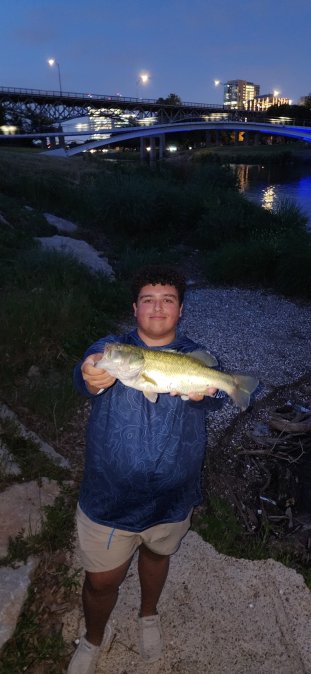
Angler casting from a boat on a large blue reservoir at sunrise, with forested shoreline and morning mist in the background
The best freshwater fishing spots near Dallas offer diverse opportunities for anglers of all skill levels. Public lakes and reservoirs within the region provide consistent access to trophy fish and recreational angling experiences. These waters support largemouth bass, catfish, crappie, and sunfish populations year-round.
Lake Lewisville
Lake Lewisville ranks among the most productive freshwater fishing spots in the Dallas area. This 29,000-acre reservoir sits just north of the city and attracts thousands of anglers annually. The lake's shallow coves and submerged timber create ideal habitat for largemouth bass and crappie.
Bank fishing access is available at multiple public parks around the shoreline. Boat ramps operate at several locations, making it convenient for anglers with watercraft. The water depth varies significantly across sections, allowing you to target different species depending on your preferred fishing techniques.
Seasonal patterns shift throughout the year. Spring spawning season brings aggressive bass activity near shallow water. Summer requires deeper presentations to find active fish. Fall cooling water temperatures trigger feeding activity across all depths.
Parking and facility access are straightforward at most public areas. Arrive early during weekends to secure premium shoreline positions. The lake maintains consistent water clarity, making sight-fishing viable during calm conditions.
Lake Ray Hubbard
Lake Ray Hubbard delivers excellent recreational fishing opportunities just east of Dallas. This 22,745-acre impoundment features extensive public water access and well-maintained facilities. Largemouth bass thrive in the lake's abundant vegetation and structural features.
The lake's eastern arm provides shallow water ideal for beginners. Experienced anglers prefer deeper channels and drop-offs where trophy fish hold. Catfish populations grow large in this reservoir, offering alternative species for night fishing.
Multiple boat launch facilities operate throughout the day. Several waterfront parks provide shore fishing access without requiring a watercraft. Tackle shops near the lake stock local knowledge and specialty soft plastics for regional conditions.
Water temperature fluctuates with seasons, affecting fish behavior and location. Winter months concentrate fish in deeper holes. Spring warming triggers movement toward shallower spawning grounds. Summer heat pushes active fish to deeper, cooler zones.
Caddo National Grassland Waters
Caddo National Grassland offers a quieter alternative to busier reservoirs near Dallas. This area contains multiple small lakes and ponds scattered across public land. The setting provides a more natural, undeveloped fishing environment.
Access requires awareness of public land boundaries and regulations. Most waters allow fishing with valid licensing. Parking areas are limited but typically uncrowded. The quieter atmosphere appeals to anglers seeking solitude and peaceful surroundings.
Sunfish and crappie populations sustain consistent catches in grassland ponds. Largemouth bass inhabit deeper sections of larger impoundments. Catfish fishing works well after sunset using live bait or prepared stink baits.
River and Creek Fishing Access
Rivers and creeks near Dallas provide flowing-water fishing distinct from reservoir experiences. Current structure creates feeding zones where fish congregate. Bank fishing dominates these environments, requiring minimal equipment beyond rod and tackle.
Trinity River Bank Fishing
The Trinity River flows through Dallas, offering public access at multiple points. Bank fishing opportunities exist throughout the urban and suburban sections. The river supports catfish, largemouth bass, and sunfish populations year-round.
Public parks along the Trinity provide designated fishing access. Parking facilities are available at most established access points. Wading is possible in many sections, allowing anglers to reach deeper water from the bank.
Current speed varies seasonally. High water in spring limits safe access. Summer and fall offer ideal conditions for wade fishing. Winter water temperatures concentrate fish in deeper pools.
Largemouth bass hold near structure like fallen trees and root systems. Catfish feed actively along deeper channels and outside bends. Sunfish school in shallow areas with aquatic vegetation. Soft plastics work effectively for bass. Live bait attracts catfish. Small jigs catch sunfish consistently.
Clear Fork and West Fork Access Points
Clear Fork and West Fork tributaries offer alternative freshwater fishing spots near Dallas. These creeks maintain clearer water than the main Trinity River. Smallmouth bass and sunfish thrive in these flowing environments.
Public access exists at road crossings and designated recreation areas. Parking is often limited but available. Wading is the primary access method in most sections. Wear appropriate footwear for slippery creek bottoms.
Seasonal patterns affect water conditions significantly. Spring runoff increases current velocity and water turbidity. Summer low water concentrates fish in deeper pools. Fall cooling improves water clarity and feeding activity.
Urban Fishing Spots and City Parks
Urban fishing locations within Dallas city limits provide convenient access for busy anglers. Parks and public spaces often include small ponds, retention areas, and creek sections. These spots deliver solid recreational fishing without long drives.
Several city parks maintain fishing-friendly policies and designated shoreline access. Parking is readily available at most locations. Facilities like restrooms and picnic areas support extended angling sessions. Family-friendly environments make these spots ideal for introducing new anglers to freshwater fishing.
Urban sunfish and catfish populations sustain consistent action. Largemouth bass inhabit deeper park ponds. Crappie schools migrate seasonally through retention areas. These locations work well for beginners learning fundamental techniques.
Water quality varies by location. Stocked ponds maintain higher fish density than natural retention areas. Ask park rangers about stocking schedules and species availability. Some urban waters receive regular management attention, improving fishing prospects.
Species Found in Local Waters and Seasonal Patterns
Understanding fish species and seasonal behavior improves success rates significantly. Local waters support multiple species with distinct seasonal patterns. Knowing when and where to target each species increases catch rates.
Largemouth Bass and Crappie
Largemouth bass dominate freshwater fishing spots near Dallas. These fish respond aggressively to soft plastic presentations. Spring spawning season triggers peak activity. Summer heat pushes bass to deeper water seeking cooler temperatures.
Crappie fishing peaks during spring and fall transitions. These panfish school heavily during spawning season. Night fishing under lights attracts crappie to shallow water. Small jigs and soft plastics work consistently for crappie year-round.
Seasonal migration patterns affect location strategy. Spring brings fish shallow as water temperatures warm. Spawning activity concentrates bass and crappie in predictable zones. Summer cooling drives fish deeper. Fall feeding activity brings fish back to shallower feeding zones.
Water temperature directly influences fish metabolism and feeding behavior. Cold water slows digestion, reducing feeding frequency. Warm water accelerates metabolism, increasing feeding activity. Seasonal temperature changes dictate presentation speed and lure selection.
Catfish and Sunfish
Catfish populations in local reservoirs and rivers provide reliable catch opportunities. These bottom feeders respond to live bait and prepared stink baits. Catfish feed more actively after sunset and throughout the night. Larger catfish inhabit deeper channels and holes.
Sunfish thrive in shallow water with aquatic vegetation. These panfish accept small soft plastics, jigs, and live bait readily.
Texas Fishing License Requirements and Regulations
A valid Texas fishing license is required for all anglers 17 years and older (Fishing Licenses and Packages). The Texas Parks and Wildlife Department manages freshwater fishing regulations and licensing. Licenses are available online, by phone, or at authorized retailers.
Freshwater Fishing Gear for Beginners
Starting freshwater fishing requires basic equipment and fundamental knowledge. Rod and reel selection determines your success with different techniques. At Tubey's Outfitters, we design soft plastics and custom rods specifically tested in freshwater environments.
Tournament Fishing Gear and Performance Setup
Tournament anglers demand specialized equipment and refined technique. Performance-oriented rod and reel combinations optimize casting distance and accuracy. At Tubey's Outfitters, our gear is tested extensively on the water.
Best Time of Year and Water Conditions
Seasonal timing dramatically affects freshwater fishing success. Spring offers peak activity as water temperatures warm. Fall provides excellent fishing as temperatures cool. Summer and winter present challenges but still deliver catches.
Season | Water Temp | Best Species | Ideal Presentation | Depth Zone |
|---|---|---|---|---|
Spring | 60-75°F | Bass, Crappie | Shallow soft plastics | 3-8 feet |
Summer | 75-85°F | Catfish, Bass | Deep presentations | 15-25 feet |
Fall | 65-75°F | All species | Medium presentations | 8-15 feet |
Winter | 40-55°F | Catfish | Slow, deep presentations | 20-30 feet |
Frequently Asked Questions
What is the best lake for freshwater fishing near Dallas?
Lake Lewisville and Lake Ray Hubbard rank among the top choices. Lewisville offers excellent largemouth bass and crappie fishing with multiple public boat ramps and shoreline access. Ray Hubbard provides trophy-sized catfish and sunfish in a scenic setting. Both have established public water access, bait shops nearby, and year-round recreational fishing opportunities. Your choice depends on target species and preferred angling technique.
Do I need a Texas fishing license to fish in public waters?
Yes. Texas Parks and Wildlife Department requires all anglers 17 and older to hold a valid fishing license when fishing in public waters. Licenses are available online, at sporting goods retailers, and through TPWD offices. Options include annual all-water licenses and short-term licenses. Exemptions exist for certain youth ages and designated free fishing days. Check current TPWD regulations for bag limits and species-specific restrictions before your trip.
What freshwater fishing gear should a beginner use near Dallas?
Start with a medium-action spinning rod (6 to 6.5 feet), a reliable spinning reel, and 10 to 15-pound monofilament line. Stock your tackle box with soft plastic lures in natural colors (dark green, brown, black), live bait options like shiners or crawfish, and basic terminal tackle. A quality pair of polarized sunglasses helps you spot fish in shallow water. Invest in gear designed and tested by fishermen for real-world fishing conditions.
What is the best time of year to fish freshwater lakes near Dallas?
Spring (March to May) and fall (September to November) are prime seasons. Spring brings spawning activity for bass and crappie as water temperatures rise. Fall offers consistent action as fish feed heavily before winter. Summer fishing requires early morning or late evening sessions due to heat and water clarity changes. Winter can be productive for catfish and crappie in deeper water. Water temperature and seasonal migration patterns directly affect which species bite and where they congregate.