 blog
Best Lure Colors for Stained Water: A Complete Angler's Guide
Last Updated: November 15, 2026
Quick Summary
The best lure colors for stained water are chartreuse, white, and yellow for bright contrast, plus black, blue, and dark purple for strong silhouettes when visibility drops. Carry a natural like green pumpkin with a bright accent for lightly stained conditions, and go darker or brighter as the water muddies.
- Stained water offers roughly 1 to 2 feet of visibility, so high-contrast colors cut through the tint.
- In muddy water with less than 1 foot of visibility, bass and redfish detect a dark silhouette before any color.
- In the Lower Laguna Madre, a rising tide pushes clearer water onto flats while a falling tide drains muddy water off.
- Rig two rods with the same bait in different colors and alternate which you throw first at each stop.
- A five-color kit of chartreuse, white, black, junebug, and green pumpkin with a bright accent covers most clarity.
Table of Contents
- Why Lure Color Matters More in Stained Water
- A Fishing Lure Color Selection Chart by Water Clarity
- Bright Colors: Chartreuse, White, and Yellow for Low Visibility
- Dark Colors: Black, Blue, and Purple for Strong Silhouettes
- Natural Colors: Green Pumpkin, Brown, and Craw Patterns
- Best Lure Colors for Stained Water Saltwater
- Best Lure Colors for Stained Water Bass Fishing
- Best Lure Color for Clear Water
- A Repeatable Method for Testing Lure Colors
- Building a Stained-Water Color Kit with Tubey's Outfitters
- Frequently Asked Questions
Why Lure Color Matters More in Stained Water
Stained water is where lure color stops being a cosmetic choice and becomes a visibility decision. In clear water, a fish can study a bait from several feet away and decide whether it looks alive. In stained water, that same fish gets a fraction of the light and a fraction of the time, so the bait has to do the convincing fast. Color is not about what looks good in the package, it's about what stays visible in the water you're actually fishing.
Here's the part most guides get wrong. They tell you to "match the hatch" and call it a day. But matching a baitfish pattern means nothing if a redfish or a bass can't see the pattern at all. Color selection in stained water is really a contrast problem. You want a bait that separates from a muddy, tea-colored background, and that usually means going brighter or darker than the water around it, not trying to blend in.
Below, we'll show you exactly how to pick colors by water clarity, by species, and by lure type, plus a repeatable method for testing what works on your home water.
A Fishing Lure Color Selection Chart by Water Clarity
A fishing lure color selection chart works best when it starts with the water, not the bait. Water clarity decides how much light reaches the lure, and that decides which colors stay visible. Use this as your quick-reference table before you tie anything on, then read the notes below to adjust for lure type and conditions.
Water Clarity | What You See | Approximate Visibility | Go-To Colors | Why It Works |
|---|---|---|---|---|
Clear | Bottom visible in several feet; you can see grass blades and shell | 4-6 feet or more | Natural: green pumpkin, brown, clear/ghost, translucent shad | Fish can inspect the bait; realism wins |
Lightly stained | Greenish tint; bottom visible but details soften | 2-4 feet | Natural with a bright accent: green pumpkin/chartreuse tail, watermelon/red flake | Enough light for natural tones, but contrast helps |
Stained | Tea-colored or milky green; bottom barely visible | 1-2 feet | Chartreuse, white, bright yellow, black/blue | High contrast cuts through the tint |
Muddy | Brown, churned; no bottom visibility | Less than 1 foot | Black, blue, dark purple, chartreuse, white | Strong silhouette and bright accents |
Low light | Dawn, dusk, heavy cloud, or deep shade | Varies with depth | White, chartreuse, black | Maximum contrast in dim conditions |
Reading the Water: Clear, Stained, and Muddy
Clear water is the easy read: you can see structure and bottom detail, and fish get a long look at your bait. Stained water carries a green or tea tint, still fishable but with reduced visibility. Muddy water is brown and churned, where sight feeding drops and fish lean harder on vibration and silhouette. A common mistake is treating "stained" and "muddy" as the same thing. They call for different colors, so check the water at your first stop and adjust from there.
Matching Color to Lure Type
Color choices shift with lure type because each presentation shows color differently. For soft plastics, a bright tail or a dark body with a chartreuse tail gives contrast without losing a natural profile. Crankbaits in stained water often work best in solid chartreuse or white with a dark back, because the bill and body create flash and vibration that color alone cannot. Spinnerbaits benefit from a chartreuse or white skirt with gold or copper blades; the blades add flash that reads in low visibility. Jigs and Texas rigs lean on black/blue or junebug for silhouette, with a chartreuse trailer for a visible accent. Topwater lures in stained water should be white, chartreuse, or black, because the fish sees the silhouette from below and contrast matters more than detail.
Adjusting for Light, Depth, and Season
Sunlight, cloud cover, time of day, depth, and season all modify a baseline stained-water color choice. On bright days, fish may hold deeper or in shade, so a chartreuse bait that works at noon may need to be swapped for white or black as light fades. In shallow water, color is more visible than in deep water, so a lightly stained flat may call for natural tones with an accent, while a deeper channel edge may need a brighter or darker bait to stand out. Seasonally, cold water often slows fish and makes them less willing to chase, so a slower presentation with a high-contrast color can outperform a fast-moving bright bait. The key is to treat the chart as a starting point and adjust one variable at a time.
A Simple Color-Testing Sequence
A repeatable method beats guessing. Start with two rods rigged with the same bait in different colors, one bright and one dark. Fish the same stretch of water, alternating which color you throw first at each stop. Note water clarity, light, and depth for each strike. If neither color produces, change one variable: switch to a natural tone with an accent, or slow the retrieve. Keep a log so patterns emerge over several trips. Most anglers find that a handful of colors covers most conditions, and testing confirms which ones earn a permanent spot in the box.
Bright Colors: Chartreuse, White, and Yellow for Low Visibility
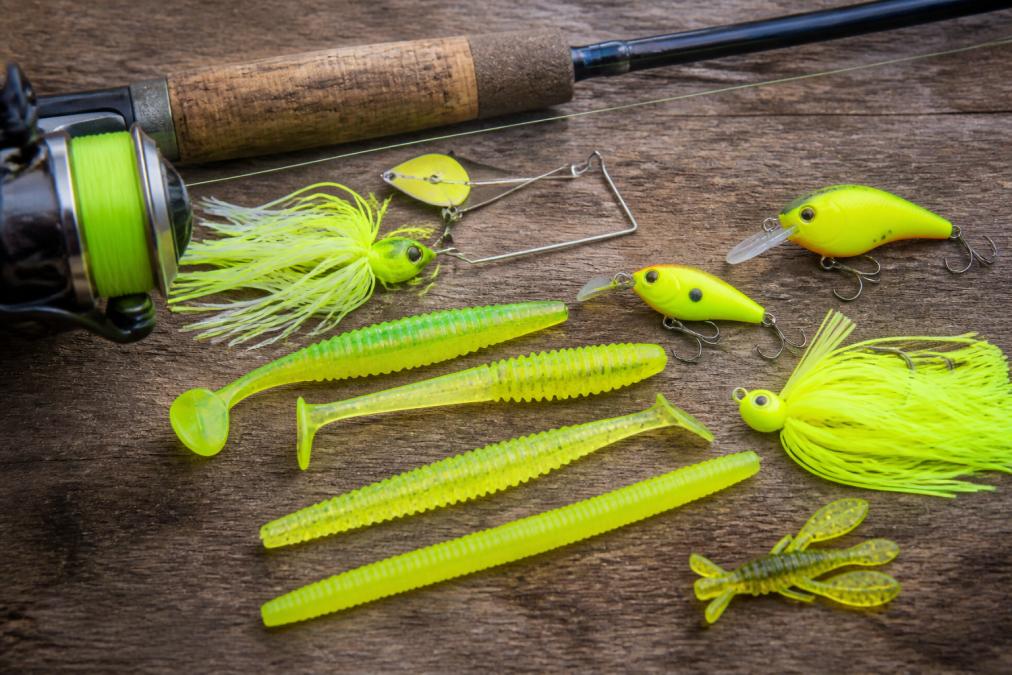
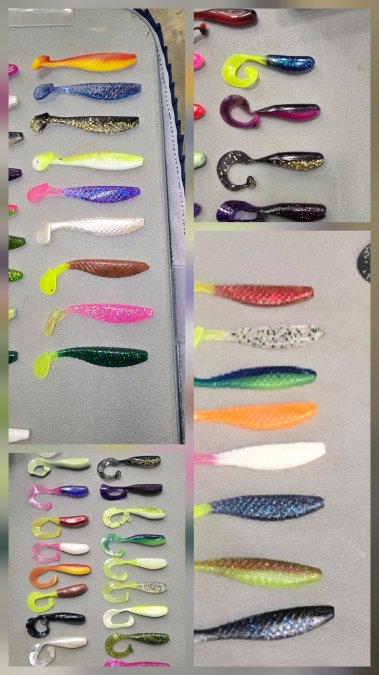
Chartreuse, white, and yellow are the best lure colors for stained water when you need a bait to stand out against a tinted background. These bright colors reflect more light and create the high contrast that low visibility demands. If you only carry one stained-water color, make it chartreuse.
White earns its place as a year-round standby, especially in low-light conditions and around baitfish. Yellow and chartreuse do the heavy lifting when the water turns off-color. A common mistake is going too bright in water that's only lightly stained, which can spook pressured fish. Start bright and back off if the bite is shy.
If you want to see how these bright plastics behave once they're in the water, our guide to soft plastic fishing techniques for coastal water walks through the retrieves that make color count.
Dark Colors: Black, Blue, and Purple for Strong Silhouettes
Black, blue, and dark purple are the best lure colors for stained water when visibility is at its worst, because they create a strong silhouette instead of relying on reflected light. In muddy water, a bass or redfish often detects the dark shape of a bait before it registers any color at all. Dark colors give the fish something solid to target.
Blue and junebug-style purple add a subtle flash that reads well in stained conditions without going full neon. Black is the classic choice for the muddiest water and night fishing. What most guides miss is that dark colors and bright colors aren't rivals, they're partners. A black body with a chartreuse tail combines silhouette and contrast in one bait.
Natural Colors: Green Pumpkin, Brown, and Craw Patterns
Green pumpkin, brown, and craw patterns are the best colors for clear water and lightly stained conditions, where fish get a good enough look to be picky. These natural colors mimic the forage fish actually eat, and they shine when visibility is decent. Craw patterns with orange or red accents are a freshwater staple and a solid choice around rocks and grass.
The trick in stained water is to keep a natural bait but add contrast, like a green pumpkin body with a brighter claw or a fleck of chartreuse. That gives you realism and visibility at once. Save the pure natural tones for clean water and lean on contrast as the tint thickens.
Best Lure Colors for Stained Water Saltwater
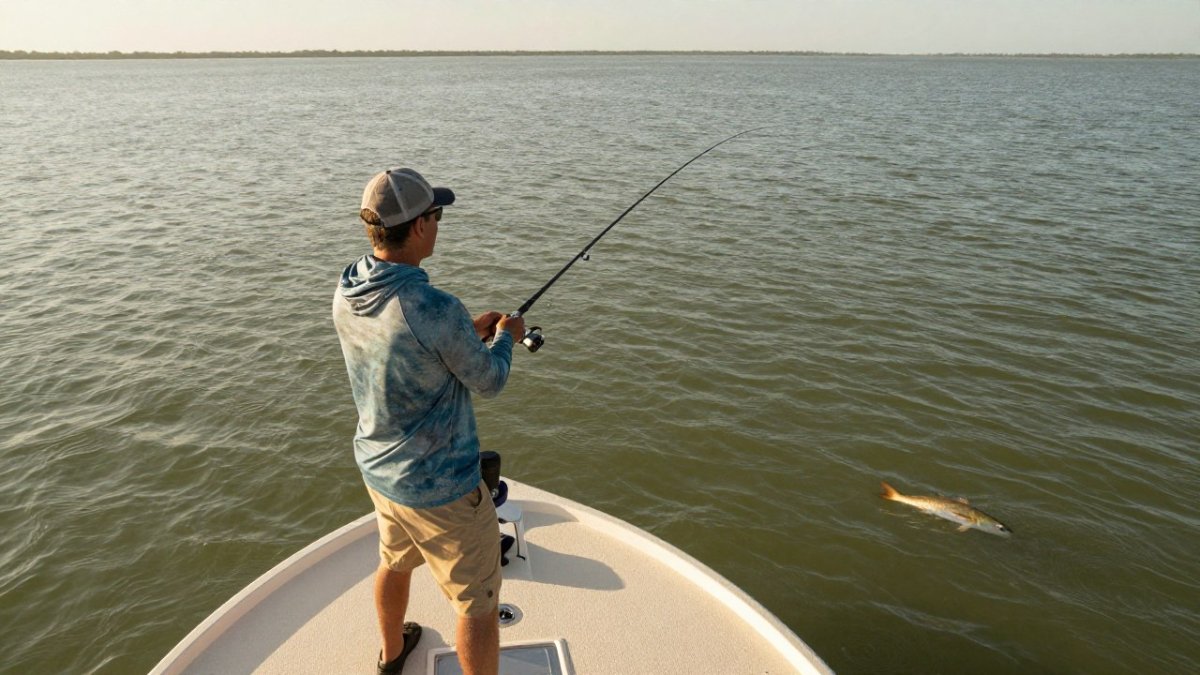
For saltwater, the best lure colors for stained water saltwater fishing are chartreuse, white, and dark combinations built around a strong silhouette. Coastal fish like redfish and speckled trout feed in off-color flats and bay water where a bright or high-contrast bait gets noticed. White and chartreuse are the workhorses, while dark tails and bodies help in the muddiest conditions. But the Lower Laguna Madre adds its own twists: shallow grass, wind-driven sediment, and fast-changing light mean color choice is a moving target.
The man is American.
Reading the Lower Laguna Madre's Stained Flats
The Lower Laguna Madre is shallow, grass-filled water where wind and tide stir up sediment and turn big stretches of flat a milky green. That staining is exactly where color earns its keep. White and chartreuse soft plastics stay visible over the grass, and darker tails are a useful switch when the wind muddies the water. Because the bay is so shallow, light penetration changes fast with cloud cover.
How Tide and Wind Change the Color Game
Tide and wind are the two biggest drivers of water clarity in the Lower Laguna Madre. A rising tide pushes clearer water onto the flats, and a falling tide can drain muddy water off the shallows. Wind direction matters just as much: a steady wind from the Gulf can clear the water, while a wind off the flats stirs up sediment and turns the water brown. When the water is dirtier, go darker or brighter: black/blue or junebug for silhouette, chartreuse or white for contrast. When the tide clears the water, back off to natural tones with a chartreuse accent. Watch the water color at each stop and adjust before you make a cast.
Color by Lure Type for Coastal Flats
Soft plastics dominate on the flats, and a white or chartreuse paddle tail or curly tail is a proven starting point. A dark body with a chartreuse tail combines silhouette and contrast. For topwater, white and chartreuse poppers and walkers are easier for redfish and trout to track in stained water, especially early and late. Spoons and gold or copper blades add flash that reads in low visibility, so a chartreuse or white skirt with a gold blade is a solid choice. For jigs, black/blue or junebug with a chartreuse trailer gives a strong profile with a visible accent.
Light, Depth, and Seasonal Adjustments on the Flats
Light changes fast on shallow flats. At dawn and dusk, white and chartreuse are easiest to see; as the sun climbs, fish may become more selective, so a natural tone with an accent can work better. In deeper channels or along drop-offs, color is less visible, so a darker or brighter bait helps fish find it. Seasonally, cold fronts can dirty the water and slow fish, making a slow presentation with a high-contrast color more effective. In warmer months, fish are more willing to chase, so a faster retrieve with a bright bait can trigger reaction strikes. The key is to match the color to the light and depth you are actually fishing, not the conditions you expected.
A Repeatable Test for Saltwater Colors
Testing colors on the flats is simple: rig two rods with the same plastic in different colors, one bright and one dark. Fish the same stretch, alternating which color you throw first at each stop. Note water clarity, tide, wind, and light for each strike. If neither produces, change one variable: switch to a natural tone with an accent, or slow the retrieve. Keep a log so patterns emerge over several trips.
Best Lure Colors for Stained Water Bass Fishing
The best lure colors for stained water bass fishing are black and blue, junebug, and chartreuse, with dark colors leading in muddy conditions and bright colors picking up the slack in lighter stain. Bass are ambush predators that key on silhouette in low visibility, so a dark-bodied bait with a bright accent covers both bases. In lightly stained lakes and rivers, green pumpkin with a chartreuse tail is hard to beat.
Presentation matters as much as color here. A slow, thumping retrieve gives bass more time to find a dark bait, while a faster swim triggers reaction strikes on bright ones. The real difference between a good day and a tough one is often matching the color to how much light is actually reaching the bait.
Best Lure Color for Clear Water
The best lure color for clear water is a natural one: green pumpkin, brown, translucent shad, and other baitfish-matching tones. Clear water lets fish inspect a bait closely, so realism and a natural profile beat bright colors. Save the chartreuse and black for when the water dirties up. This is the one condition where "match the hatch" genuinely applies, and where an over-bright bait can cost you bites from wary fish.
A Repeatable Method for Testing Lure Colors
Testing colors beats guessing, and you can do it in a single trip. The method is simple: fish the same bait in two colors, side by side, and let the fish vote. Rig two rods with identical plastics except for color, work the same stretch of water, and track strikes. Swap which color you throw first each stop so neither gets an unfair advantage. Keep notes on water clarity, light, and depth so your results mean something later.
For a deeper look at how different soft plastic types perform, our complete soft plastics guide breaks down shapes, actions, and when each one shines. If you're choosing swimbait colors specifically, our real-world test of soft plastic swimbaits covers whether they earn a spot in the box.
Building a Stained-Water Color Kit with Tubey's Outfitters
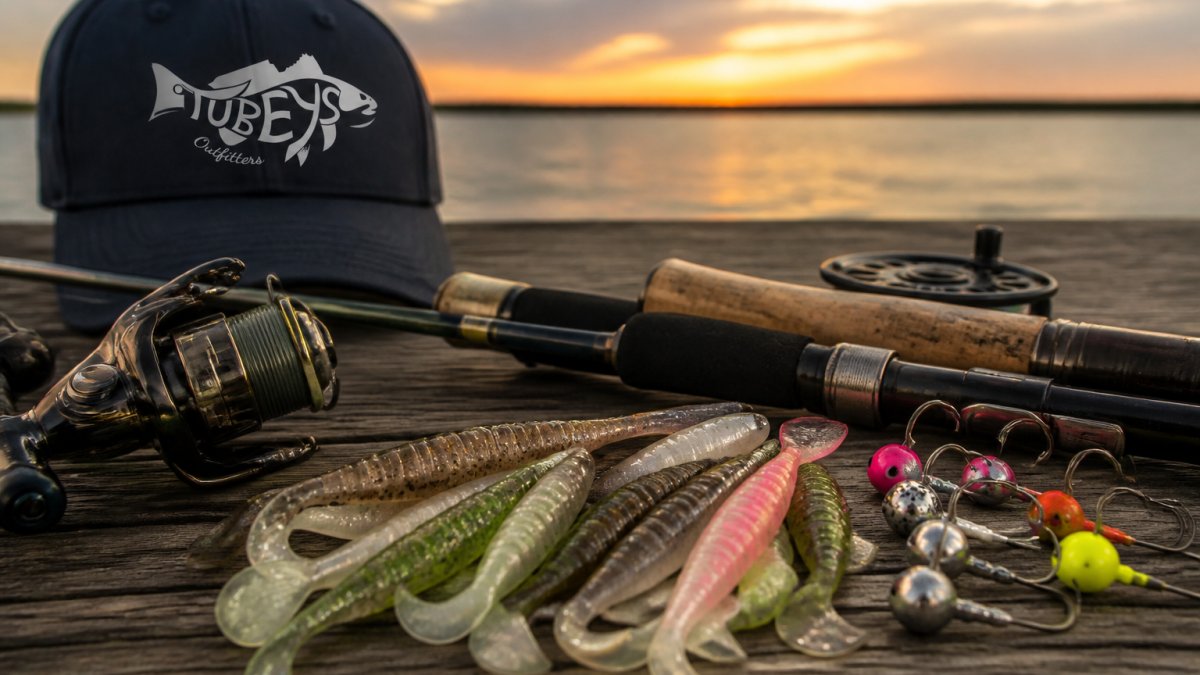
A stained-water kit doesn't need dozens of colors. It needs the right handful: chartreuse, white, black, junebug, and a natural like green pumpkin with a bright accent. That five-color spread covers a range of water clarity in both fresh and salt. Tubey's Outfitters makes soft-plastic lures tested in freshwater and coastal environments, so you have a practical starting point for choosing a shade.
Start with bright colors for stained water, keep dark ones for the mud, and always carry a natural option for when the water clears. If you're rigging bright plastics for grass and flats, our weedless rigging guide shows how to keep them snag-free, and our roundup of affordable soft plastics helps you stock a stained-water kit without overspending.
The hardest part of stained-water fishing isn't finding fish, it's trusting your color choice when you can't see the bottom. Build a small, proven kit, test colors side by side, and let the water tell you what to throw. Tubey's Outfitters makes soft plastics in the colors we fish ourselves, poured and tested by anglers for both coastal and freshwater conditions, with custom rods to match. Get started with Tubey's Outfitters and fish with colors you can trust.
Frequently Asked Questions
What color lures work best in stained water?
Chartreuse, white, and other bright colors are the standard starting point in stained water because they show up against a muted background. Black and dark blue are the counter-punch when fish want a hard silhouette instead of glare. The right pick depends on how stained the water is and what you are throwing. Keep a small spread of bright, dark, and natural colors in the boat and let the fish tell you which one they want that day.
Should you use bright or dark lures in stained water?
Start bright and switch to dark if the bite stalls. Bright colors like chartreuse and white catch the eye at distance in low visibility, which helps fish locate the bait. Dark colors like black and junebug cast a solid silhouette that reads well when light is flat or the water is dirtier. Neither is universally better. Carry both, fish the bright option first, and change if you go a while without a strike.
Does lure color matter more in stained water or clear water?
Color matters in both, but for different reasons. In clear water, fish get a long look at the bait, so natural colors and realistic finishes matter most. In stained water, fish have less time and less light to identify the bait, so contrast and silhouette do more of the work. That is why bright and dark colors get so much attention in stained conditions. Match the water you are fishing, not the color you happen to like.
How do you choose lure color when water clarity changes?
Treat clarity as a sliding scale. Clear water calls for natural greens, browns, and translucent finishes. Lightly stained water opens the door to chartreuse, white, and other bright colors. Muddy water pushes you toward black, dark blue, and high-contrast combinations. Check the water at the trolling motor or the bank before you tie on, and change colors as the tide, rain, or wind shifts the clarity through the day.