 blog
blog
Crappie Fishing Store Guide: Gear That Actually Works
Table of Contents
- What to Look for in a Crappie Fishing Store
- Essential Terminal Tackle for Crappie
- Best Crappie Jigs for Stained Water
- Soft Plastic Lure Colors for Crappie Success
- Choosing the Right Rod and Reel Combo
- Fishing Line and Tackle Maintenance
- Seasonal Crappie Fishing Tips
- Live Bait vs. Artificial Lures: What Works When
- Why Quality Matters in a Crappie Fishing Store
- Frequently Asked Questions
Last Updated: September 28, 2026
What to Look for in a Crappie Fishing Store
When you walk into a crappie fishing store, you're looking for one thing: gear that puts fish in the boat. The best crappie fishing store stocks quality soft plastics, proven jigs, and rods built for sensitivity. You want to see brands that actually test their products on the water, not just in a warehouse.
A good crappie fishing store carries terminal tackle that matches your local conditions. If you fish stained water, you need different colors than clear-water anglers. The staff should know the difference. They should be able to tell you what works in spring versus fall, and why a jig that crushes in freshwater lakes might need adjustment for coastal inshore work.
Look for stores that stock both soft plastics and live bait options. You'll want options for vertical jigging in deep water and casting in shallow areas. The best stores understand that crappie fishing changes with the season and water clarity.
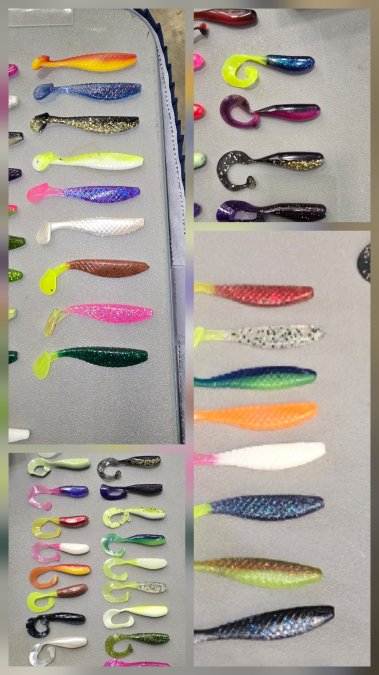
Close-up of organized crappie jigs and soft plastic lures in various colors and sizes displayed with natural lighting
Essential Terminal Tackle for Crappie
Terminal tackle makes or breaks a crappie fishing trip. You need quality jig heads, swivels, hooks, and sinkers that won't fail when a big fish is on the line. The best terminal tackle is sized right for your target and your casting method.
Jig heads are the foundation of crappie fishing. A good jig head has a sharp hook, balanced weight, and a design that holds soft plastic baits securely. Most anglers use heads between 1/32 ounce and 1/4 ounce, depending on water depth and current. Glow-in-the-dark jig heads work well in stained water and low-light conditions, giving fish a visual target even when visibility is poor.
Swivels prevent line twist when you're casting repeatedly. A quality ball-bearing swivel won't kink your line or slow your presentation. Sinkers matter too, they keep your bait at the right depth without dragging bottom. Use just enough weight to reach your target zone without overkill.
Hook size depends on your bait choice. For soft plastics, sizes 1 to 1/0 work for most crappie. For live bait, you might go slightly larger. Always check that your hook point is sharp before casting.
Best Crappie Jigs for Stained Water
Stained water changes everything about jig selection. When visibility drops, crappie rely more on vibration and silhouette than color alone. The best crappie jigs for stained water have a larger profile and create more water displacement.
Jigs with ribbed bodies produce more vibration than smooth designs. The ribs create micro-vibrations that crappie can detect even when they can't see clearly. A 2-inch soft plastic on a 1/16-ounce jig head is a solid starting point in stained conditions.
Glow-in-the-dark jig heads shine in murky water. They absorb light and emit a faint glow that crappie can see from a distance. This works especially well during dawn, dusk, or on cloudy days. Combine glow heads with darker soft plastic colors, black, dark purple, or dark green, for maximum contrast.
Action matters as much as appearance. A jig that darts and pauses triggers strikes better than one that just sinks. When you're fishing stained water, work your jig with short upstrokes followed by controlled drops. Let the bait settle for a second or two before the next lift.
Soft Plastic Lure Colors for Crappie Success
Color selection depends on water clarity and light conditions. In clear water, natural colors like white, pearl, and light green work best. In stained water, go darker and bolder, black, dark purple, and chartreuse stand out better.
Chartreuse is a workhorse color for stained water because it creates contrast without looking unnatural. Many anglers swear by chartreuse-and-black combinations. The chartreuse catches light and draws attention; the black adds definition and silhouette.
White soft plastics work in almost any condition. They mimic natural prey like shad and shiners. A white 2-inch paddle-tail on a 1/16-ounce jig is a reliable choice when you're not sure what the crappie want.
Red and orange soft plastics trigger aggressive strikes in certain conditions. They work especially well in spring when crappie are spawning and more territorial. A red soft plastic can look like an injured baitfish, which crappie find irresistible.
Match your soft plastic size to the forage in your water. If crappie are feeding on small shiners, use 1.5- to 2-inch baits. If they're chasing larger prey, go up to 2.5 or 3 inches. Tubey's Outfitters designs soft plastics with proven colors and strong action that crappie respond to in both freshwater and coastal inshore environments.
Choosing the Right Rod and Reel Combo
A crappie rod should be sensitive enough to feel a light bite but strong enough to handle a 2-pound fish without breaking. Most crappie anglers prefer ultralight to light-power rods, typically 5 to 6 feet long.
Sensitivity matters more than power. You want to feel every tap on your jig, especially when fishing vertical presentations in deeper water. A graphite rod transmits vibrations better than fiberglass, so you'll detect more bites.
Reel speed affects how quickly you can work your jig. A reel with a 5.5:1 or higher gear ratio lets you take up slack fast and set the hook effectively. This matters when you're fishing multiple depths or moving between spots.
Drag smoothness is critical. Crappie have soft mouths, and a jerky drag will tear the hook free. Look for a reel with a smooth, progressive drag system that won't stick or slip under pressure.
Line capacity should match your target depth. If you're fishing 15 feet deep, you need at least 100 yards of line on your reel. For deeper saltwater inshore work, like Lower Laguna Madre flats, consider a reel that holds 150+ yards.
Custom rods from Tubey's Outfitters are built by anglers who fish crappie regularly. They understand what sensitivity feels like in your hands and how a rod should perform from cast to hookset.
Fishing Line and Tackle Maintenance
Your fishing line is the only connection between you and the fish. Monofilament, fluorocarbon, and braided line each have strengths for crappie fishing, but they require different care.
Monofilament is forgiving and affordable. It stretches slightly, which helps absorb the shock of a hard strike. For crappie, 4- to 6-pound monofilament is standard. It's visible to fish, but crappie don't seem to mind in most conditions. Monofilament degrades faster in sunlight, so store spools in a cool, dark place and replace line every 3 to 4 months of regular use.
Fluorocarbon is nearly invisible underwater. It's denser than monofilament, so it sinks faster. This helps when you're vertical jigging in deep water. The downside is cost and reduced stretch, which means you need a lighter drag setting to avoid break-offs. Fluorocarbon absorbs water over time, so inspect it for brittleness before each trip. If it cracks when you bend it, replace it immediately.
Braided line has zero stretch, giving you direct contact with your jig. This means better bite detection and faster hooksets. Braided line also holds its strength better in stained water and saltwater conditions. The trade-off is visibility and fraying at the knot. Use a fluorocarbon leader (12 to 18 inches) to hide the braid from wary fish and reduce wind knots. Braided line lasts longer than monofilament, often 6 months to a year, but inspect it weekly for fraying or damage.
Saltwater care is critical. If you fish coastal inshore water like the Lower Laguna Madre, rinse your entire reel and rod with fresh water immediately after every trip. Salt corrodes metal components and degrades line faster than freshwater. Dry everything completely before storing. For braided line used in saltwater, replace it every 4 to 5 months even if it looks fine; salt penetrates the fibers and weakens them from the inside.
Reel maintenance: Clean your reel after every saltwater trip. Use a soft brush to remove salt deposits from the spool, bail, and handle. Rinse with fresh water and dry with a clean cloth. Lubricate the drag system and bail according to the manufacturer's instructions, usually a single drop of reel oil on the drag washer and bail pivot. Over-lubrication attracts dirt and causes drag problems. A well-maintained reel lasts years; a neglected one fails when you need it most.
Line inspection: Check your line before and after every fishing trip. Run it between your thumb and forefinger to feel for rough spots, fraying, or weak points. If you feel anything abnormal, cut off that section and retie. Old line loses strength and becomes brittle. If your line has been on the reel for more than 4 months and you fish regularly, replace it. The cost of new line is nothing compared to losing a good fish.
Hook and jig maintenance: Inspect your jigs and hooks regularly. Sharpen hooks with a small hook file or replace them if the point dulls. A dull hook won't penetrate on the strike, and you'll lose fish. Bent or damaged jigs should go back to the tackle box, they won't fish right and won't hook fish reliably. If a soft plastic tears or the body separates from the jig head, replace it. A compromised bait won't move naturally and won't trigger strikes.
Rod care: Wipe down your rod after each trip, especially if you've fished saltwater. Salt deposits on the guides and reel seat can cause corrosion. Check your guides for cracks or rough spots by running your fingernail along the inside of each guide. A cracked guide will fray your line. If you find damage, have the guide replaced by a professional rod builder. Store your rod in a cool, dry place and avoid leaving it in direct sunlight for extended periods, UV light degrades graphite and weakens the blank over time.
Seasonal Crappie Fishing Tips
Spring is spawning season. Crappie move shallow to build nests in 2 to 6 feet of water. Look for brush, timber, or structure near deeper water. They're aggressive and hungry, so use larger soft plastics and brighter colors. White and chartreuse work well in spring.
Summer pushes crappie deeper as water warms. They move to 15 to 25 feet, suspending near structure. Vertical jigging becomes your primary technique. Slow your presentation and use smaller soft plastics. Glow-in-the-dark jig heads help you stay connected in deeper, darker water.
Fall brings crappie back to shallower water as temperatures drop. They feed heavily to prepare for winter. This is prime time for casting around structure. Use soft plastics that mimic the baitfish in your area. Red and orange colors trigger strikes as crappie become more aggressive.
Winter is tough but productive for dedicated anglers. Crappie school tightly in deep holes. Find a good depth and stay vertical. Use your depth finder to locate the school, then work small jigs slowly through the zone. Patience pays off in winter.
Seasonal patterns change with your region. Coastal inshore water like the Lower Laguna Madre stays warmer longer than northern lakes, extending your fall bite and shortening winter dormancy. Adjust your tactics based on local water temperature and forage availability.
Live Bait vs. Artificial Lures: What Works When
Live bait catches crappie consistently. Shiners, minnows, and shad trigger instinctive strikes. Live bait works especially well in spring and fall when crappie are aggressive. The natural movement and scent are hard to beat. In clear water, live bait is often more effective than soft plastics because crappie rely on sight and the natural action of a living baitfish is hard to replicate.
The downside of live bait is logistics. You need to keep bait alive, transport it safely, and replace it regularly. Live bait also limits your casting distance and speed. You can't cover water as quickly with live bait as you can with soft plastics. In saltwater inshore environments like the Lower Laguna Madre, live bait deteriorates faster due to temperature swings and salinity stress, requiring more frequent replacement.
When to use live bait: Use live bait when you're fishing clear water, shallow structure, or during spawning season (spring). Live bait is also your best choice when crappie are inactive or when you want a high catch rate and don't mind staying in one spot. In freshwater lakes, live bait shines during pre-spawn and spawn when crappie are territorial and aggressive. In coastal inshore water, live bait works well in spring and early summer before water temperatures spike.
Soft plastic lures let you fish faster and cover more water. You can cast to multiple spots, adjust colors and sizes quickly, and fish deeper without bait dying. Soft plastics also work in all seasons and conditions. They're especially effective in stained water where visibility is low and crappie rely more on vibration and silhouette than natural scent. Soft plastics also outperform live bait in summer when crappie are deep and suspended; you can work a jig vertically through the water column more precisely than you can with live bait.
When to use soft plastics: Use soft plastics when you want to explore, cover water, and develop your technique. Soft plastics are superior in stained water, deep water, and summer conditions. They're also your choice when you're fishing windy conditions or when you need to cast distance to reach fish. In the Lower Laguna Madre and other saltwater inshore flats, soft plastics allow you to fish shallow, clear water without spooking fish the way live bait containers and constant movement can. Soft plastics also work better in winter when crappie are lethargic; you can work a small jig slowly and deliberately through a tight school.
Water clarity matters most. In clear water (visibility 3+ feet), live bait has the edge because crappie see the natural movement and respond to it instinctively. In stained water (visibility 1 to 3 feet), soft plastics with glow-in-the-dark jig heads and bold colors (chartreuse, black, dark purple) outperform live bait. In very murky water (visibility under 1 foot), soft plastics with vibration-producing ribs and glow heads are your best bet.
Seasonal patterns: Spring favors live bait in both freshwater and saltwater. Crappie are aggressive and spawning, so natural movement triggers strikes. Summer shifts toward soft plastics because crappie go deep and suspend; you need precision vertical jigging more than natural scent. Fall is a toss-up, use live bait around shallow structure and soft plastics in deeper water. Winter demands soft plastics because you need to work a tight school slowly; live bait is harder to control in deep, cold water.
The hybrid approach: The best anglers use both. Start with soft plastics to locate fish and cover water. Once you find a school, switch to live bait if the water is clear and crappie are aggressive. If they're inactive or the water is stained, stick with soft plastics and adjust your presentation. Soft plastics from Tubey's Outfitters are designed with the action and colors that crappie can't resist in both freshwater and coastal inshore conditions. They're tested in real fishing conditions, not just in a tank. That's the difference between gear that works and gear that looks good on a shelf.
Why Quality Matters in a Crappie Fishing Store
A cheap jig might hold a soft plastic, but it won't hook fish reliably. A budget rod might cast, but it won't feel bites or set hooks cleanly. Quality gear costs more upfront, but it pays for itself in fish caught and frustration avoided.
Quality terminal tackle has sharp hooks that penetrate on the first strike. The eye is reinforced so it won't break under pressure. The weight is balanced so the bait sits right and moves naturally.
Quality rods are built with materials that transmit feel through your hands. You'll sense the difference between a bite and a weed. You'll set the hook faster and lose fewer fish.
Quality soft plastics hold their shape through dozens of casts. They don't tear easily, and they maintain their action even after a few bites. They're made with colors that don't fade and formulas that crappie respond to.
When you buy from a crappie fishing store that stocks quality gear, you're investing in success. You're not guessing whether something will work. You're using gear that's been proven on the water.
Frequently Asked Questions
What are the most effective colors for crappie jigs in stained water?
In stained water, crappie respond better to bright, high-contrast colors. Chartreuse, orange, and white soft plastics create visibility when water clarity drops. Black and purple also work well because they produce dark silhouettes that crappie can track. Glow-in-the-dark jig heads are especially effective in low-light conditions or murky water. Test a few colors during your first cast to see what triggers bites where you fish.
What makes a high-quality soft plastic lure for crappie?
Quality soft plastics have a realistic ribbed body that mimics natural baitfish, consistent sizing across the batch, and durable material that holds up to repeated casting and strikes. The plastic should have enough flexibility to move naturally in the water but be tough enough to withstand multiple fish. Proven colors matter too—manufacturers who test their lures in real conditions know which hues work best for crappie in different water types.
How does seasonal bait selection change for crappie?
Spring crappie chase spawning baitfish, so smaller soft plastics and live minnows work best. Summer means deeper water and slower presentations with lighter jigs. Fall triggers aggressive feeding as crappie prepare for winter, making faster retrieves and slightly larger lures effective. Winter requires patience with vertical jigging and small, subtle movements. Matching your bait selection to seasonal water temperature and crappie behavior dramatically improves your catch rate.
Should I buy from a local crappie fishing store or online?
Local fishing stores offer expert advice, the chance to see and feel gear before buying, and immediate availability. Online retailers provide wider selection and convenience. The best choice depends on whether you value hands-on guidance and supporting local businesses or prefer browsing a larger inventory from home. Many anglers use both—local shops for rods and custom builds, online for bulk soft plastic orders.
Catching more crappie starts with the right gear. A quality crappie fishing store gives you access to soft plastics, jigs, rods, and tackle that actually work. Tubey's Outfitters builds gear for real anglers who fish both freshwater lakes and coastal inshore water. Our soft plastics are designed with proven colors and strong action. Our custom rods are built by fishermen who know what sensitivity and strength feel like. Shop Tubey's Gear and put more fish in your boat.