 Comparison
Alternatives to Senko Worms for Bass: 2026 Guide
Table of Contents
- Why Anglers Search for Senko Alternatives
- Stick Worm vs Senko: What's the Real Difference
- Top Stick-Worm Alternatives That Deliver Results
- Senko Alternatives That Last Longer: Durability Breakdown
- Fall Rate and Action: What Sets Alternatives Apart
- How to Fish a Stick Bait for Bass: Rigging and Technique
- Wacky Rig Stick Bait Setup for Maximum Effectiveness
- Choosing the Right Alternative for Your Conditions
- Conclusion: Making the Switch
- Frequently Asked Questions
Last Updated: October 8, 2026
Why Anglers Search for Senko Alternatives
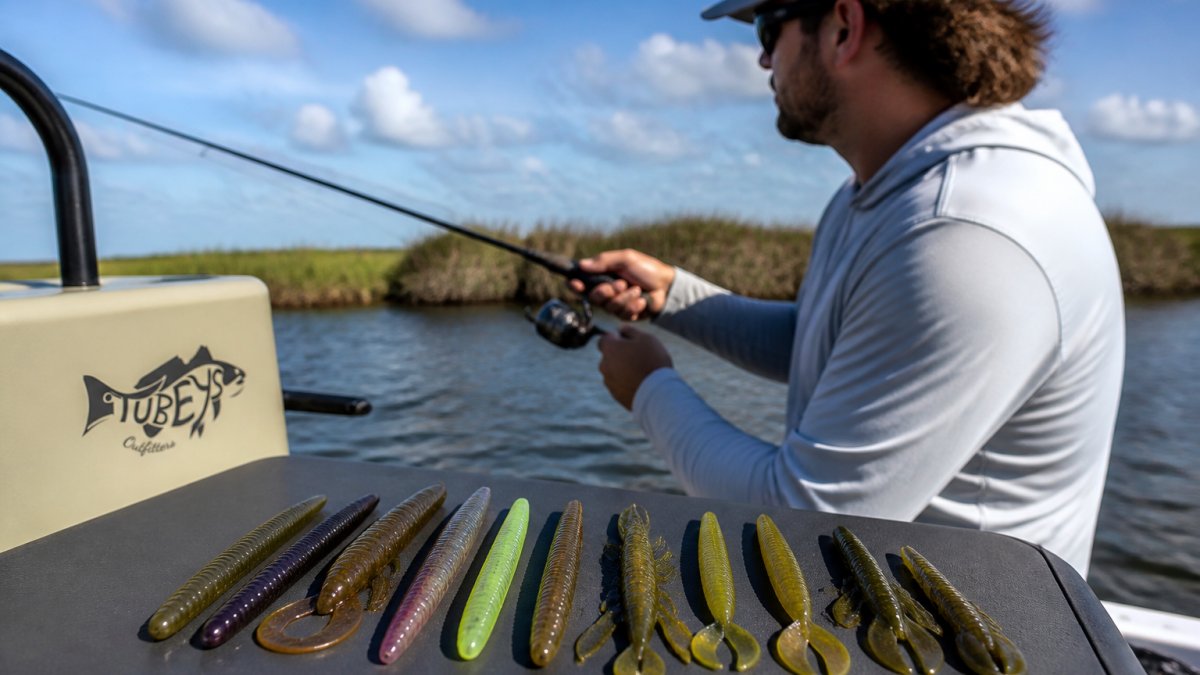
Senko worms have dominated bass fishing for decades, but they're not the only option, and sometimes they're not the best one. At Tubey's Outfitters, we work with both freshwater bass anglers and saltwater inshore fishermen who've tested countless soft plastics, and we've learned that the "best" stick bait depends entirely on where you're fishing and what you're targeting.
The real difference between a Senko and its alternatives comes down to material composition, action profile, and how the bait behaves on the fall. Some alternatives sink faster, some slower. Some last through twenty bass, others through two. Some cost half as much per pack.
Whether you're working shallow cover on a freshwater lake or targeting redfish and trout in the Lower Laguna Madre, stick baits remain one of the most effective presentations in your arsenal. The question isn't whether to use them, it's which alternative delivers the results you need without breaking your tackle budget.
Stick Worm vs Senko: What's the Real Difference
A stick worm is a soft plastic bait shaped like a thin, straight worm, typically 3-5 inches long, rigged on a jig head or Texas rig to mimic a dying baitfish or injured worm.
The core differences between a Senko and other stick worms are material density, salt content, and action. Senkos use a proprietary plastic blend that creates a specific wiggle on the fall and sinks at a particular rate.
What matters most is matching the bait to your fishing situation. In clear water with light cover, that subtle Senko wiggle might trigger more strikes.
The durability question is real. Senkos are softer and more fragile; they typically last through 5-10 fish before the bait tears. Alternatives like YUM Dingers are built tougher and can handle 15-20 bass or redfish before needing replacement.
Top Stick-Worm Alternatives That Deliver Results
YUM Dinger: Durability Meets Value
The YUM Dinger is one of the most direct alternatives to senko worms for bass anglers seeking a balance between cost and longevity.
What sets the Dinger apart is its practical durability. Most anglers report getting 15-20 fish per bait, sometimes more if you're fishing catch-and-release. That efficiency matters when you're on the water for six hours and want to focus on fishing rather than retying every few minutes.
The trade-off is that the Dinger doesn't have quite the same delicate fall action as a Senko. It's a more aggressive, confident presentation. In stained water or when bass are feeding actively, this directness is an advantage.
YUM Dingers also come in larger pack counts at competitive pricing, making them a practical choice when you're burning through baits on a productive day.
Bass Pro Shops Stik-O: Familiar Profile, Proven Action
The Bass Pro Shops Stik-O is designed as a direct Senko alternative, matching the profile and fall rate closely enough that most anglers can swap them without changing their technique. This is valuable if you've dialed in your presentation and want consistency without the premium price tag.
The Stik-O comes in a range of colors and maintains a similar soft plastic formula to the Senko, meaning the wiggle and descent speed feel familiar. For anglers who've built confidence in a specific wacky rig or shaky head setup, switching to Stik-Os lets you keep that same feel while reducing per-bait cost.
This bait works well in both freshwater and saltwater applications. Inshore anglers targeting trout in clear water appreciate the subtle action, and freshwater bass anglers working sparse cover find the familiar Senko-like presentation reliable.
Jackall Flick Shake: When You Need a Slower Fall
The Jackall Flick Shake is purpose-built for situations where a slower fall is critical, typically in shallow water, over sparse cover, or when fish are suspended in the water column. This stick worm sinks noticeably slower than a Senko, which keeps it in the strike zone longer on a vertical drop.
This alternative to senko worms for bass excels when you're fishing a flick-shake rig, where the bait barely descends as you work it with short rod twitches.
On the Lower Laguna Madre, where trout often hold in shallow grass flats and redfish cruise clear water, the Flick Shake's deliberate descent can trigger strikes that faster-falling baits miss. Freshwater anglers working shallow ponds or clear reservoirs find similar success.
Bitter's Salty Sling: Another Solid Contender
The Bitter's Salty Sling is a stick-worm alternative that combines durability with a natural action profile. This bait is particularly popular among anglers who fish both saltwater and freshwater and want a single bait that performs across both environments.
The Salty Sling uses salt-impregnated plastic, which adds taste and scent to the presentation. This can trigger more aggressive strikes, especially in saltwater where redfish and trout rely heavily on taste and smell to identify prey. Freshwater bass also respond to the added attractant, making this a versatile option for mixed fishing situations.
Durability is solid, with most anglers reporting consistent performance through 12-15 fish per bait. The color range includes proven options like white shad and natural earth tones that work in both clear and stained water.
Senko Alternatives That Last Longer: Durability Breakdown
Durability is the single most common reason anglers start hunting for alternatives to senko worms for bass. A Senko is engineered to be soft, salty, and supple, and that softness is exactly what produces its signature shimmy. It is also what tears the bait apart at the hook eye, splits the body along the pour seam, and turns a five-dollar pack into a two-outing pack.
To make the comparison useful instead of anecdotal, track three things on your own boat: baits per outing, fish per bait, and casts per bait. A repeatable pattern most anglers notice looks like this:
| Bait | Typical fish per bait | Typical casts per bait | Where it fails first |
|---|---|---|---|
| Standard 5-inch Senko | 4-8 | 40-70 | Hook eye tear, body split |
| YUM Dinger (4-inch) | 12-20 | 120-180 | Nose wear on Texas rig |
| Bass Pro Shops Stik-O | 8-14 | 80-130 | Center tear on wacky rig |
| Jackall Flick Shake | 10-16 | 90-140 | Tail thinning on flick-shake |
| Bitter's Salty Sling | 10-15 | 90-140 | Salt leaching, then softening |
Those ranges are not lab numbers. They are the pattern that shows up when you fish the same bait the same way across multiple outings and actually count. The point is the ratio, not the exact figure.
Why the firmer baits last longer
Senkos rely on a high salt load and a soft plasticizer package. Salt does two things: it adds weight for the fall rate, and it gives the bait a taste fish hold onto a beat longer. Both are good for hookups and bad for longevity.
Alternatives like the YUM Dinger use a firmer compound with less salt and a tougher plasticizer. The bait feels stiffer in your hand and has a slightly faster, less delicate fall, but it survives repeated hooksets, dragging through grass, and the kind of abuse a Lower Laguna Madre flat delivers when you are pulling a bait across shell and scattered grass in a 15 mph wind.
Rigging changes durability more than the bait does
Before you blame the plastic, check your rig. The same bait fished three ways wears three different ways:
- Wacky rig with an O-ring: the hook never pierces the bait body, so the bait lasts roughly twice as long as a direct-hooked wacky rig. This is the single biggest durability upgrade available, and it works on Senkos and alternatives alike.
- Texas rig, hook point buried: the bait survives grass and shell better, but the nose takes the beating. After 8-10 fish, the nose is usually torn and the bait slides down the hook.
- Ned-style or shaky head: the bait is pinned at the nose and hangs, so the tail thins out first. Expect fewer fish per bait than a wacky rig with an O-ring, more than a direct-hooked wacky rig.
The cost-per-fish math
This is the part most articles skip. Run the numbers on your own season and the answer usually surprises people.
Say you fish 40 days a season and average 50 casts per outing, which is 2,000 casts. If you land a fish roughly every 25 casts, that is about 80 fish for the season.
- At 6 fish per Senko, you go through about 13-14 baits.
- At 15 fish per Dinger, you go through about 5-6 baits.
Now look at pack counts. Senkos typically come 10 per pack; Dingers typically come 8 to 12 per pack depending on size and retailer. The gap in baits consumed is real, but it is smaller than the marketing suggests once you factor in that you are replacing Senkos less often than you think if you are landing fish at a normal rate. Where the durability advantage actually pays off is on tough days: wind, shell, grass, and short-striking fish that mangle a soft bait without getting hooked.
The saltwater wrinkle
Inshore, durability gets tested differently. Redfish crush baits with their pharyngeal teeth, and a single redfish can destroy a soft stick bait in one strike. Trout are cleaner eaters but have sharp gill plates that slice a bait on the way out. On the Lower Laguna Madre, where you might be dragging a bait across grass and shell in clear, shallow water, the firmer alternatives hold up noticeably better than a standard Senko, and the salt-impregnated baits like Bitter's Salty Sling add a scent trail that keeps fish committed a beat longer, which translates to more hookups per bait even if the plastic itself wears at a similar rate.
The trade-off you cannot ignore
Firmer plastic equals longer life equals less action. That is the deal. In ultra-clear water with pressured fish, the softer Senko still wins on pure strike count, and no durability advantage makes up for a bait that does not get bit. The practical answer is to carry both: soft baits for clear, pressured, finicky conditions, and firmer alternatives for wind, stained water, active fish, and any day where you are covering water and do not want to retie every 15 minutes.
Fall Rate and Action: What Sets Alternatives Apart
The fall rate of a stick bait determines how long it stays in the strike zone and influences which rigging methods work best. Senkos fall at a moderate speed, roughly one foot per second on a wacky rig, creating a natural, fluttering descent.
Alternatives vary significantly. YUM Dingers, with their firmer plastic, sink slightly faster, making them better for deeper water or when you need to cover the water column quickly.
The wiggle and shimmy on the fall also differ. Senkos produce a tight, subtle vibration. Alternatives with firmer plastic tend to have a wider, more pronounced wobble.
For inshore saltwater fishing, especially in the Lower Laguna Madre, fall rate matters more than in freshwater. Trout often hold in shallow water with minimal cover, and a slower-falling bait keeps the presentation in their view longer.
How to Fish a Stick Bait for Bass: Rigging and Technique
Stick baits work on two primary rigs: the wacky rig and the Texas rig. Each produces different action and suits different situations.
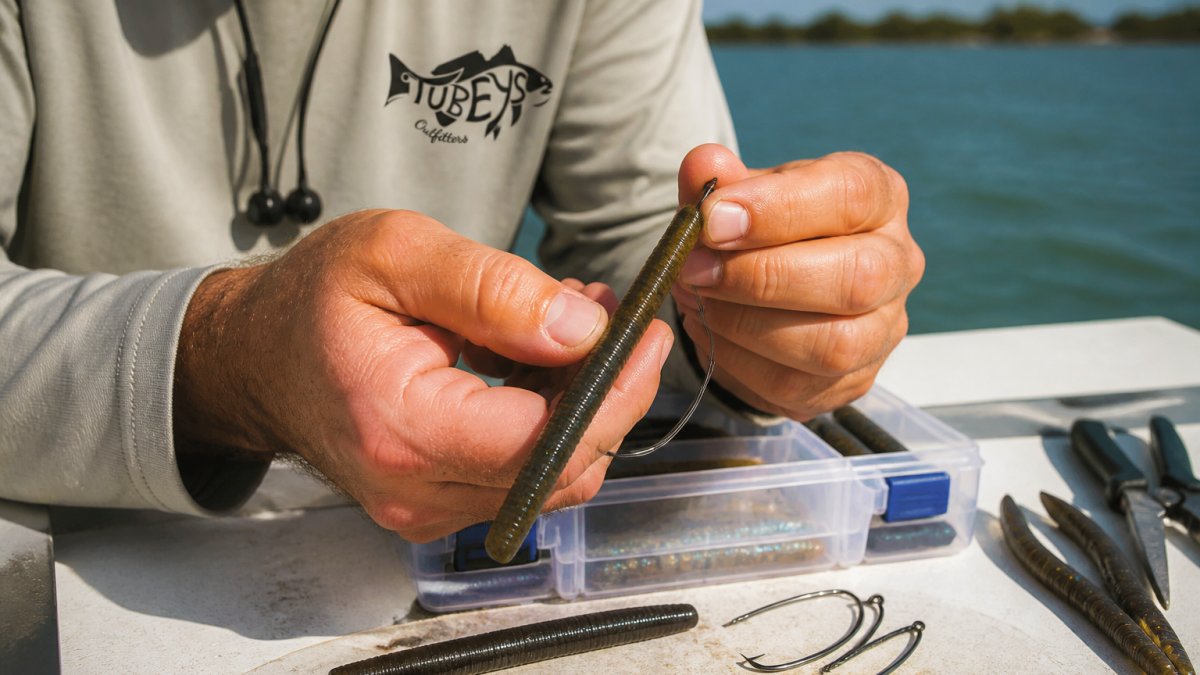
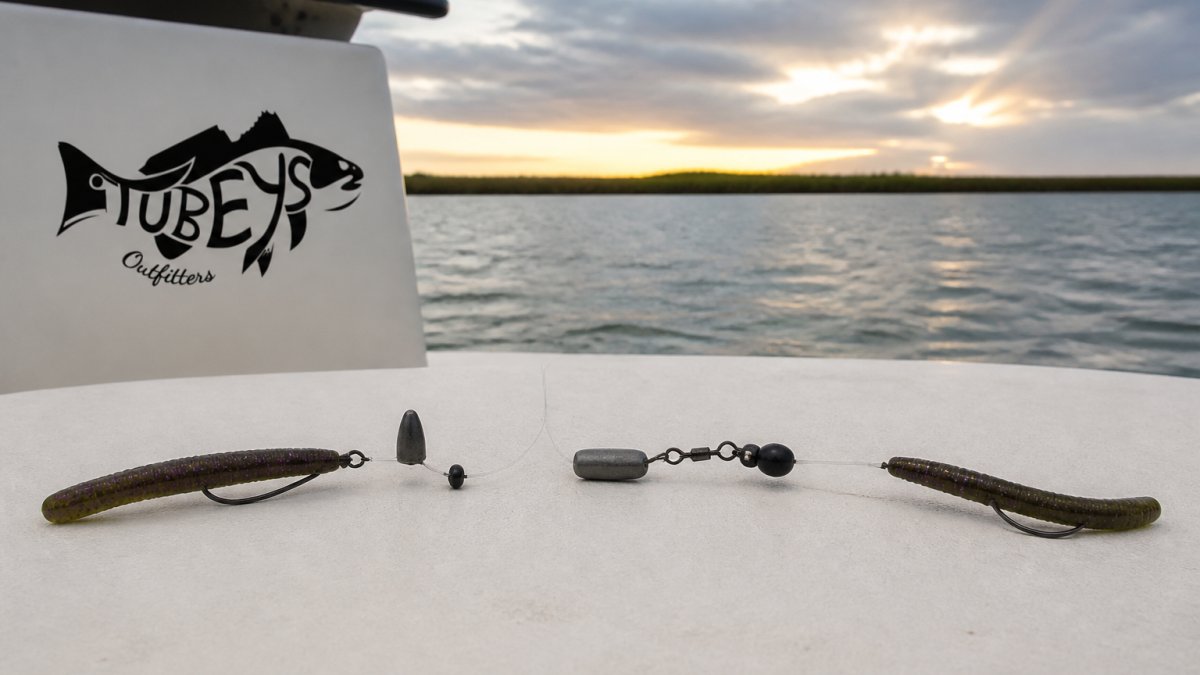
Wacky Rig Setup: The wacky rig uses a single hook through the middle of the bait, creating a balanced presentation that falls slowly with a wide, exaggerated wiggle.
Casting and Working the Bait: On a wacky rig, cast to your target and let the bait fall on slack line. Watch your line for any movement that indicates a strike.
On a Texas rig, cast and work the bait with a slow retrieve, pausing frequently to let it sink. Use short rod twitches to impart action, then let gravity do the work.
Reading the Strike: With stick baits, strikes can be subtle. On a wacky rig, you might feel a slight heaviness or see your line move sideways.
Wacky Rig Stick Bait Setup for Maximum Effectiveness
The wacky rig is arguably the most effective presentation for stick baits because it maximizes the bait's natural action while keeping it in the strike zone longer. Here's how to set it up and fish it properly.
Materials Needed:
- Stick bait (Senko, YUM Dinger, or alternative)
- Size 1 or 2 offset shank hook
- 6-8 pound fluorocarbon leader
- Light spinning rod and reel
Rigging Steps:
- Tie your hook to the leader using an improved clinch knot.
- Thread the hook through the middle of the bait, roughly at the halfway point.
- Position the bait so it hangs horizontally, balanced on both sides of the hook.
- Cast to your target area, shallow cover, open water, or structure edges.
Fishing Technique: Cast and let the bait fall on completely slack line. The bait's natural buoyancy and soft plastic create a fluttering descent that mimics a dying baitfish. Watch your line carefully; most strikes occur during the fall.
If nothing bites on the initial fall, twitch the rod tip gently once or twice, then drop back to slack line and let the bait fall again. Repeat this pattern as the bait descends.
The wacky rig works exceptionally well in clear water, over sparse cover, and when bass are inactive.
Choosing the Right Alternative for Your Conditions
Most articles hand you a list of alternatives and leave you to guess which one to tie on. This section does the opposite: it walks through the actual conditions you will face, on fresh water and on the flats, and tells you which bait and rig fits each one. The goal is a decision you can make in 30 seconds on the boat, not a shopping list.
Start with three questions
- How clear is the water? Clear water rewards subtle action and slow falls. Stained or muddy water rewards vibration, scent, and a bait fish can find with their lateral line.
- How deep and how much cover? Shallow and open favors slow-falling baits. Deep or heavy cover favors faster sinkers that reach the strike zone before your line bellies.
- How active are the fish? Active fish eat a confident, moving bait. Inactive or pressured fish need a bait that hangs in front of them longer.
Answer those three and the bait choice mostly makes itself.
Side-by-side comparison
| Bait | Fall rate | Action on the fall | Durability | Best rig | Best condition |
|---|---|---|---|---|---|
| Senko (baseline) | Moderate, ~1 ft/sec wacky | Tight, subtle shimmy | Low (4-8 fish) | Wacky, Texas | Clear water, pressured fish |
| YUM Dinger | Slightly faster | Wider, more pronounced wobble | High (12-20 fish) | Texas, wacky | Stained water, active fish, wind |
| Bass Pro Shops Stik-O | Near-Senko | Near-Senko shimmy | Medium (8-14 fish) | Wacky, shaky head | Sparse cover, familiar feel |
| Jackall Flick Shake | Slow | Deliberate, tail-driven | Medium (10-16 fish) | Flick-shake, wacky | Shallow clear water, suspended fish |
| Bitter's Salty Sling | Moderate | Natural, salt-scented | Medium (10-15 fish) | Texas, wacky | Mixed fresh/salt, sight-feeding predators |
Condition-by-condition playbook
Clear shallow water, pressured fish (freshwater reservoirs, clear flats). Go slow and subtle.
Stained water, active fish, wind. Speed and vibration win. A YUM Dinger on a Texas rig sinks faster, wobbles wider, and lets fish find it with their lateral line.
Deep water or heavy cover. You need to reach the bottom before your line bellies in the wind.
Saltwater flats, sight-feeding redfish and trout. This is where the salt-impregnated baits earn their place.
Cold water, inactive fish. Slow everything down. A Flick Shake or a Senko on a wacky rig, fished on slack line with long pauses, is the play.
Post-front, bluebird skies. Fish tight to cover and go subtle. A Stik-O or Senko on a wacky rig, pitched to the shade line, beats a fast-moving bait almost every time.
A simple decision guide
- Sight-fishing clear, shallow water? Slow fall, natural action, light line. Flick Shake or Senko.
- Covering water in wind or stain? Fast fall, wide wobble. YUM Dinger.
- Dragging through grass or shell? Firmer plastic, Texas rig, pegged weight. YUM Dinger or Bitter's Salty Sling.
- Want Senko feel at lower cost? Stik-O.
- Chasing redfish or trout on a flat? Salt-scented, moderate fall. Bitter's Salty Sling, with a Flick Shake as the clear-water backup.
What to actually carry
You do not need all five. A practical two-bait kit covers almost everything: a firmer, faster bait for wind, stain, and cover (YUM Dinger), and a slower, subtler bait for clear water and pressured fish (Jackall Flick Shake or a Senko). Add a salt-impregnated bait like Bitter's Salty Sling if you fish inshore flats regularly, because the scent factor matters more in salt than most freshwater anglers realize.
Conclusion: Making the Switch
Finding alternatives to senko worms for bass isn't about replacing a classic, it's about matching your bait to your specific fishing situation and budget.
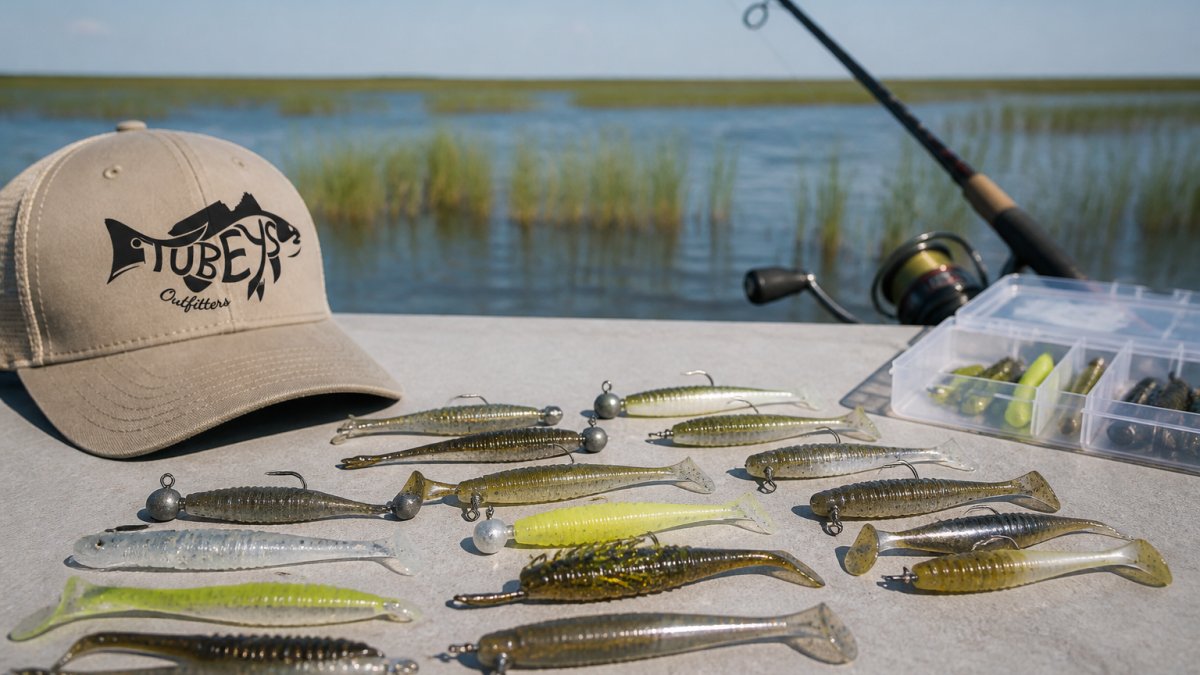
The best approach is to stock your tackle box with multiple options. Keep a pack of YUM Dingers for high-activity situations and all-day fishing sessions. Carry Jackall Flick Shakes for clear water and shallow presentations. If you fish saltwater, especially the Lower Laguna Madre for redfish and trout, include Bitter's Salty Sling for its proven scent appeal.
At Tubey's Outfitters, we've tested these alternatives alongside countless other soft plastics, and we know they deliver results when matched to the right conditions. Whether you're a weekend angler looking to reduce costs or a serious fisherman seeking performance advantages, these alternatives to senko worms for bass are worth adding to your arsenal.
Frequently Asked Questions
What is a good alternative to a Senko worm for bass?
YUM Dinger and Bass Pro Shops Stik-O are two of the most reliable alternatives to Senko worms. YUM Dinger offers better durability and lower cost, making it ideal for anglers who fish frequently or test multiple colors. Bass Pro Shops Stik-O maintains a similar profile and action, so it requires minimal adjustment to your existing technique. Jackall Flick Shake works well when you need a slower fall rate. Your choice depends on whether you prioritize durability, cost, or specific fall characteristics.
Which soft plastic lasts longer than a Senko?
YUM Dinger is widely recognized as more durable than Senko worms, with anglers reporting it withstands multiple bass strikes and casting cycles better. The tougher material resists tearing and maintains its shape longer, which means fewer lure changes during an outing. This durability advantage makes it especially valuable when fishing rocky bottoms or sparse cover where lures take repeated abuse. Durability directly impacts your cost per fish, since you replace fewer baits over a season.
Can you fish a stick bait the same way as a Senko?
Most stick-bait alternatives work with the same core rigs as Senko worms: wacky rig, Texas rig, and shaky head setups all function effectively. However, fall rate and action vary by alternative. Jackall Flick Shake, for example, sinks more slowly, so you may need to adjust your retrieve speed or pause timing. Bass Pro Shops Stik-O behaves similarly to a Senko, requiring minimal technique changes. Always test an alternative in your local conditions first to understand how its action differs.
What is the best alternative to a Senko for a wacky rig?
YUM Dinger and Bass Pro Shops Stik-O both excel on a wacky rig setup. The wacky rig's horizontal presentation relies on the bait's natural wiggle and fall rate, so durability matters since the center hook placement creates stress on the material. YUM Dinger's tougher composition handles repeated wacky rig sessions without tearing at the hook point, while Stik-O delivers the familiar Senko-like action most anglers expect. Test both in your local water to see which produces more strikes.
Stop settling for one-size-fits-all baits. Shop Tubey's Outfitters for soft plastics designed and tested by anglers who fish both freshwater lakes and saltwater flats. Our selection includes proven alternatives and custom gear built to put more fish in the boat, no matter where you're fishing.