 Listicle
Alternatives to Live Bait for Crappie Fishing
Table of Contents
- Why Anglers Choose Alternatives to Live Bait for Crappie
- Best Artificial Bait for Crappie: Soft Plastics vs. Scented Options
- Crappie Fishing with Jigs: Technique and Setup
- Crappie Lure Colors: Water Clarity and Seasonal Selection
- Marabou Jigs and Feather-Based Lures
- Tube Jigs and Micro-Plastics for Finesse Presentations
- Homemade Crappie Bait: DIY Soft Plastic Options
- Cost-Benefit Analysis: Artificial vs. Live Bait
- Storage and Maintenance of Artificial Baits
- Seasonal Bait Selection and Feeding Patterns
- Saltwater and Brackish Water Applications
- Frequently Asked Questions
Last Updated: October 7, 2026
Why Anglers Choose Alternatives to Live Bait for Crappie
When you're chasing crappie, alternatives to live bait for crappie fishing have become the go-to choice for serious anglers. At Tubey's Outfitters, we've spent years testing what actually works on the water, from coastal brackish systems to freshwater impoundments.
The shift makes sense. Live minnows require constant maintenance, die quickly in warm water, and create logistical headaches on the boat. Soft plastics, scented baits, and jigs eliminate those problems.
We're not saying live bait is obsolete, it has its place. But for most anglers, alternatives to live bait for crappie save time, money, and frustration while putting more fish in the boat.
Best Artificial Bait for Crappie: Soft Plastics vs. Scented Options
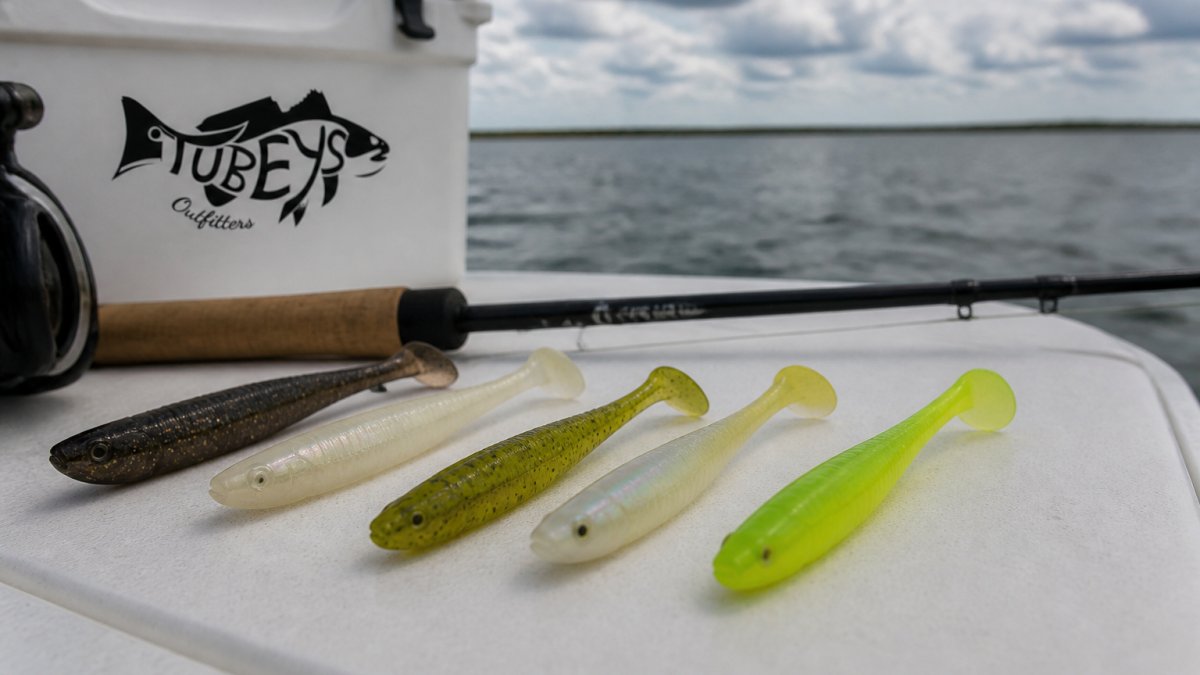
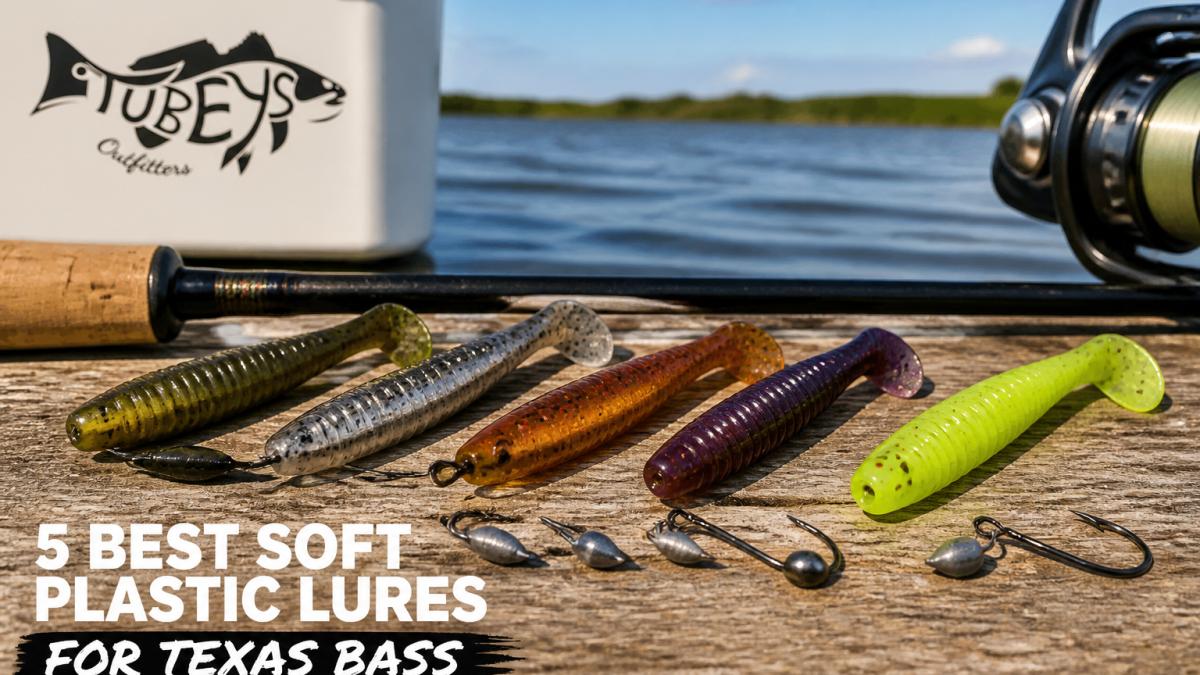
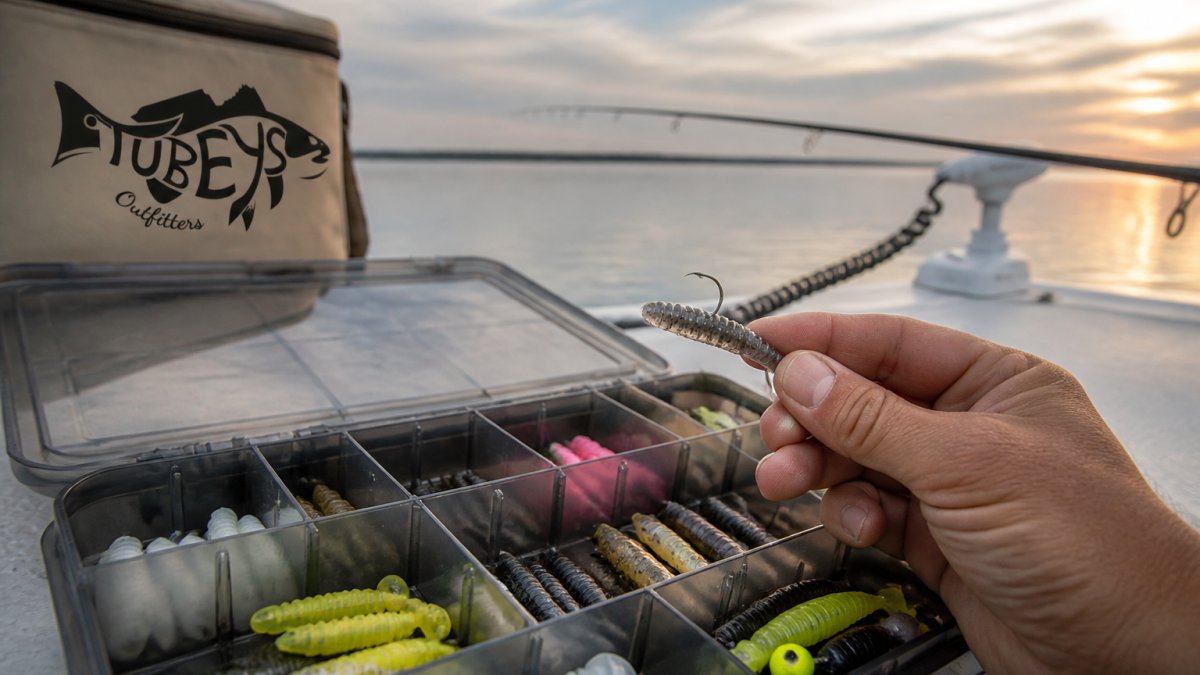
Soft plastics dominate crappie fishing for one simple reason: they work. But not all soft plastics are created equal. The real choice comes down to whether you want pure action, scent-driven attraction, or a combination of both.
Soft plastics without scent rely on visual appeal and tail action. Products like Bobby Garland Baby Shad deliver a high-action paddle tail that mimics wounded baitfish.
Scented soft plastics change the game in murky conditions. Berkley Gulp! Minnow infuses water-based scent that creates a chemical trail crappie can't ignore.
For most anglers, the best approach is having both in your tackle box. Use scented options in stained water or early morning when visibility is low.
How Scent Dispersion Works
Scent-infused baits work because crappie detect chemical signals through their lateral line system. When you cast a scented soft plastic, the lure releases compounds into the water column. Crappie sense these molecules and follow the trail to investigate.
The mechanism is simple but powerful. Water movement, whether from your retrieve, current, or the lure's action, accelerates scent dispersal. A stationary jig under a bobber still releases scent, but more slowly.
What most guides miss: scent works best when combined with vibration or movement. A motionless scented bait sitting on the bottom outperforms a scented bait fished with no action, but a scented bait with an active retrieve outperforms both.
Durability and Cost Comparison
Here's where alternatives to live bait for crappie shine financially. A pack of Bobby Garland Baby Shad costs significantly less than maintaining a livewell of golden shiners. You get dozens of lures per pack, and each one survives multiple fish catches.
Z-Man Micro Finesse Shad FryZ represents the durability extreme. Made from 10X Tough ElaZtech material, these lures outlast standard plastisol baits by a factor of three or four. You'll lose them to snags or bass before they tear apart. The tradeoff is cost, premium durability commands premium pricing.
For budget-conscious anglers, Mister Twister Curly Tail Grubs deliver exceptional value. Yes, they tear faster than premium options, but the cost-per-fish ratio still beats live bait.
Crappie Fishing with Jigs: Technique and Setup
Crappie fishing with jigs represents the most effective presentation for alternatives to live bait. A jig is simply a weighted hook with a soft plastic or feather body.
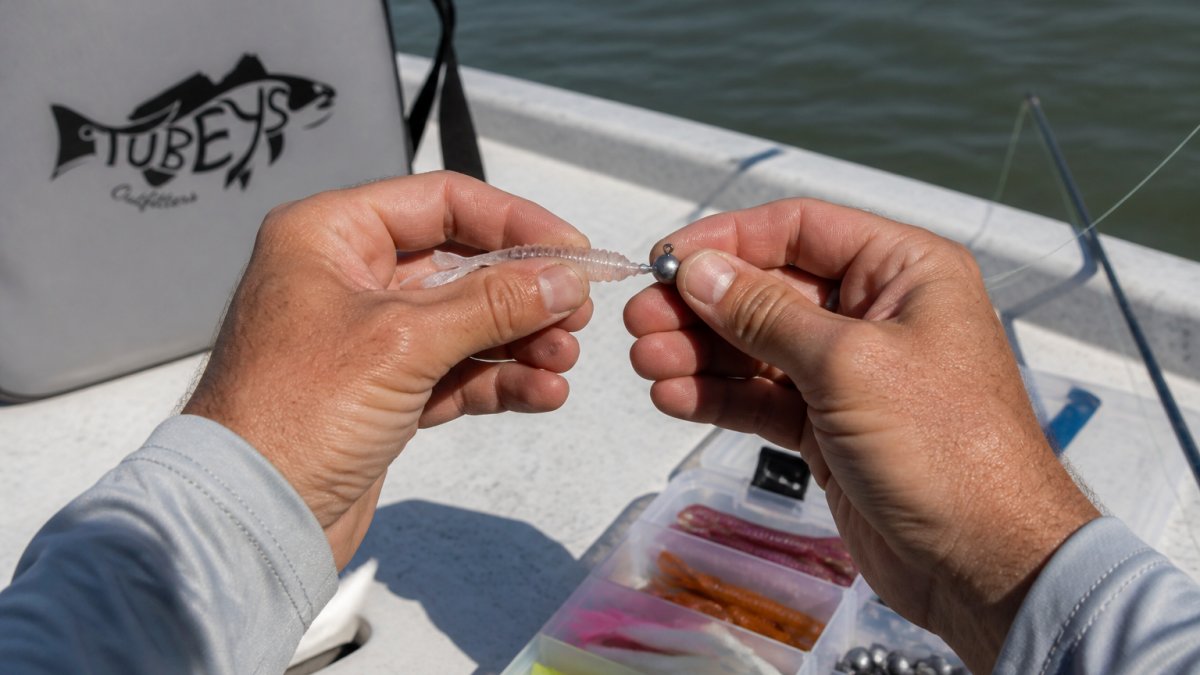
The basic setup is straightforward. Pair a 1/16-ounce to 1/8-ounce jighead with your soft plastic of choice. For freshwater crappie, lighter heads (1/16-ounce) work best in shallow water and around vegetation.
Hook size matters. Crappie have small mouths, so match your hook to your bait. A 1/0 or 2/0 hook works for most presentations.
Your line choice affects presentation. Four to six-pound test monofilament is the standard for freshwater.
Vertical Jigging for Suspended Fish
Suspended crappie are the most rewarding targets and the hardest to catch with live bait. Vertical jigging solves this problem.
The action matters more than speed. A slow, deliberate lift followed by a controlled drop triggers more strikes than rapid jigging. Crappie respond to that wounded-baitfish motion. Think of it as mimicking a minnow struggling to escape, not frantic panic, but clear distress.
Depth control is everything. Use your fishfinder to locate suspended fish, then adjust your jig weight to reach that exact zone. A 1/8-ounce jig in 12 feet of water sinks at roughly one foot per second.
Bobber Fishing with Jigs
Bobber fishing with jigs combines the simplicity of live bait presentations with the effectiveness of soft plastics. This technique dominates in shallow water and around structure, docks, fallen trees, vegetation edges.
The setup is basic: attach a small bobber 2 to 6 feet above your jig, depending on water depth. In clear freshwater, keep the bobber farther away so your shadow doesn't spook fish. In stained water or brackish systems, you can shorten the distance.
The retrieve is minimal. Cast near structure, let the jig suspend below the bobber, and work it with tiny twitches. Most strikes come on the pause. Crappie see the jig hanging there, investigate, and commit.
Crappie Lure Colors: Water Clarity and Seasonal Selection
Color selection separates casual anglers from consistent producers. The principle is simple: match the forage base and adjust for water clarity. But execution requires understanding how light penetrates water and how crappie perceive color at depth.
Clear Water Color Choices
In clear water, whether it's a pristine freshwater lake or the transparent coastal flats of the Lower Laguna Madre, crappie hunt primarily by sight. They see natural colors clearly. White, silver, and pearl soft plastics mimic the belly of live minnows. Green and natural brown patterns replicate the back side.
The most effective clear-water combination is white with a chartreuse or orange tail. The contrast creates a visual target that crappie can't ignore. Tube jigs in white with a chartreuse skirt work exceptionally well in this scenario.
In extremely clear water, scale down to micro-jigs. A 1/32-ounce jighead with a two-inch soft plastic looks more natural than a bulkier presentation. The smaller profile reduces rejection rates from cautious fish.
Stained Water and Seasonal Adjustments
Stained water changes everything. When visibility drops below two feet, crappie rely more on vibration and scent than sight. This is where darker colors shine. Black, dark purple, and dark green soft plastics create silhouettes that crappie can detect even when they can't see fine detail.
Chartreuse becomes even more important in stained water. The high visibility cuts through suspended sediment and algae. Many successful stained-water anglers pair chartreuse bodies with dark heads or dark tails, maximum contrast in low-visibility conditions.
Seasonal adjustments account for water temperature and forage availability. Spring spawning brings aggressive feeding, so bright colors trigger strikes. Summer heat pushes crappie deeper and more lethargic; natural colors and slower presentations work better.
Marabou Jigs and Feather-Based Lures
Marabou jigs are the traditional feather-based answer to alternatives to live bait for crappie, and they still out-fish soft plastics in specific situations. The reason is mechanical: marabou feathers are soft, individual strands that pulse and breathe with the slightest water movement. Even on a dead drift under a bobber, the feathers undulate in a way a molded plastisol tail cannot. That subtle motion mimics a struggling minnow or a small shrimp, and it triggers strikes from fish that have seen every paddle tail in the lake.
How to Rig and Fish a Marabou Jig
The setup is simple but the details matter. Pair a 1/32- to 1/16-ounce marabou jig with four- to six-pound test line for freshwater crappie. In brackish water, step up to six- to eight-pound test and a 1/16- to 1/8-ounce head to hold depth in tidal current. Tie directly to the jig eye with an improved clinch knot, or use a small loop knot to let the jig swing more freely, which enhances the feather action.
Presentation options:
- Slow lift-and-drop: Let the jig sink to the target depth, then lift the rod tip 6 to 12 inches and let it fall on a semi-tight line. Most strikes come on the fall.
- Dead drift under a bobber: Set the bobber 2 to 6 feet above the jig and let wind or current move it naturally. This is deadly in shallow flats and around dock pilings.
- Swim-and-pause: Cast, count the jig down, then reel slowly with occasional pauses. The feathers collapse on the pause and flare on the retrieve, creating a pulsing profile.
Marabou vs. Soft Plastics: When Feathers Win
Marabou outperforms soft plastics in three scenarios:
- Cold, clear water where fish are pressured and want a finesse profile with natural movement.
- Brackish and inshore flats where the forage base includes small shrimp and glass minnows, and the feather action mimics both.
- Sight-fishing situations where a slow-falling, breathing bait triggers reaction strikes from suspended fish.
Soft plastics win on durability and color variety. Marabou mats down after a handful of fish, and once the feathers clump, the action is gone. A practical rotation: fish a fresh marabou jig for the first 20 to 30 minutes of a spot, then switch to a soft plastic once the feathers mat. That first window is often when the biggest fish commit.
Saltwater and Brackish Notes
In the Lower Laguna Madre and similar shallow inshore systems, marabou jigs in white, chartreuse, and pink are standard for spotted seatrout and redfish, and they catch crappie holding in the same grass edges and channel mouths. The feather action mimics shrimp better than most soft plastics, which matters when fish are keyed on crustaceans rather than baitfish. Rinse marabou jigs in fresh water after every saltwater session; the feathers hold salt and will stiffen and rot if left wet in a tackle box.
Blade-Enhanced Marabou
A spinner-bladed marabou jig, like the classic Road Runner style, adds flash and vibration to the feather profile. The blade creates a sonic signature that draws fish from distance in murky water, and the marabou provides the close-range trigger. Fish these with a steady retrieve just fast enough to keep the blade spinning; if the blade stops, you've slowed too much. In stained freshwater and turbid inshore water, this combination is one of the most reliable alternatives to live bait you can tie on.
Tube Jigs and Micro-Plastics for Finesse Presentations
Tube jigs represent the finesse end of the alternatives to live bait for crappie spectrum. These hollow plastic tubes slip over a jighead, creating a compact profile that mimics small baitfish or crawfish.
The action is subtle. Tube jigs don't have paddle tails or curly tails. Instead, they rely on the jighead's motion and the tube's gentle skirting action.
Z-Man Micro Finesse Shad FryZ combines the tube concept with ultra-durable material. These lures survive extended fishing sessions without tearing. In systems where you're covering a lot of water and making hundreds of casts, durability matters.
Micro-plastics, two-inch or smaller soft plastics, serve a similar purpose. They match the forage base in systems where crappie feed on tiny baitfish.
Homemade Crappie Bait: DIY Soft Plastic Options
Some anglers enjoy making their own soft plastics. This opens possibilities for custom colors and shapes that commercial manufacturers don't offer. The process requires plastic injection molds, plastisol base material, and colorants.
The advantage is cost and customization. Once you've invested in molds, producing dozens of soft plastics costs just a few dollars. You can experiment with colors specific to your local forage base.
The reality check: quality homemade baits require practice. Early attempts often have air bubbles, uneven coloring, or inconsistent tail action.
For most anglers, buying quality commercial soft plastics is the practical choice. But if you enjoy the DIY aspect and have the equipment, making your own baits adds another dimension to the sport.
Cost-Benefit Analysis: Artificial vs. Live Bait
The financial case for alternatives to live bait for crappie is straightforward. Live minnows cost roughly ten to fifteen dollars per dozen. A livewell requires electricity or air pumps. Minnows die in warm water, forcing mid-trip replacements.
Soft plastics cost a fraction of that. A pack of quality soft plastics runs three to six dollars and contains a dozen or more lures. Each lure survives multiple fish catches. Even premium options like Z-Man Micro Finesse Shad FryZ deliver better cost-per-use than live bait.
The time factor matters too. Maintaining a livewell, netting minnows, and replacing dead bait consumes fishing time. Switching to soft plastics eliminates that overhead entirely.
Storage and Maintenance of Artificial Baits
Proper storage extends the life of your soft plastics and keeps them fishing effectively.
Keep soft plastics separate by color and size. This saves time on the water and prevents color bleeding between baits. Store them in compartmentalized boxes or individual bags.
Temperature matters. Extreme heat softens plastisol; extreme cold makes it brittle. Store baits in a cool, dry location, not in a hot truck bed or a freezing garage.
Scented baits require special handling. Keep Berkley Gulp! and similar products in their original liquid packaging. Once opened, seal them tightly to prevent evaporation.
ElaZtech baits like Z-Man Micro Finesse Shad FryZ cannot be stored with standard plastisol baits. The materials interact chemically and degrade.
Seasonal Bait Selection and Feeding Patterns
Crappie feeding behavior changes seasonally, and your bait selection should follow. Understanding these patterns lets you match presentations to what fish are actually hunting.
Spring brings aggressive feeding as crappie prepare to spawn. They're shallow, active, and willing to chase.
Summer pushes crappie deeper as surface water warms. They seek cooler, oxygen-rich depths. Vertical jigging with micro-jigs becomes the primary technique.
Fall brings another aggressive feeding period. Crappie fatten for winter and strike readily. Colors that worked in spring work again.
Winter slows everything down. Cold water makes crappie lethargic. Micro-jigs with minimal action work best. Vertical jigging in deep water, eight to fifteen feet, targets suspended winter crappie.
Saltwater and Brackish Water Applications
This is where alternatives to live bait for crappie separate from the generic freshwater listicles. Inshore systems like the Lower Laguna Madre mix fresh and salt water, and the fish that live there, spotted seatrout, redfish, and yes, crappie in the upper reaches, all respond to the same artificial presentations. If you can fish a soft plastic for crappie, you can fish it for trout and reds in the same trip. That overlap is the whole point.
Why Brackish Systems Change Your Bait Choice
Brackish water sits between clear coastal flats and stained freshwater. Clarity typically ranges from a foot or two of visibility after a blow or heavy runoff to several feet on a calm, incoming tide. That variability drives everything:
- High clarity (3+ feet): Natural colors, white, pearl, and translucent greens, with smaller profiles. Fish are sight-feeding and will reject anything that looks wrong.
- Moderate clarity (1 to 3 feet): Chartreuse and white combinations, or dark bodies with bright tails. Contrast is your friend.
- Low clarity (under 1 foot): Dark silhouettes, black, dark purple, and dark green, paired with vibration-heavy presentations. Scent helps here more than anywhere else.
Rigging for Inshore and Brackish Water
A 1/8-ounce jighead is the workhorse in tidal current. It sinks fast enough to reach suspended fish and holds depth in moving water without dragging bottom. Drop to 1/16-ounce in calm, shallow flats where you want a slower fall and a more natural presentation.
The forage base in these systems is specific: glass minnows, silversides, small mullet, and grass shrimp. A two-inch shad or shrimp-profile plastic matches that size range. Oversized baits get short-struck by crappie and ignored by pressured trout.
Line choice matters more here than in freshwater. Six- to eight-pound test handles the occasional redfish or oversized trout without being so heavy that it kills the action of a light jig.
Reading the Tide
Tide is the single biggest variable in brackish and inshore fishing, and most crappie articles ignore it entirely.
- Incoming tide: Water clarity typically improves, bait pushes into the flats, and fish move shallow to feed. This is your best window for sight-fishing and for covering water with a moving presentation.
- High slack: Fish often suspend and become neutral. Slow down, switch to a dead-drift presentation under a bobber, and work the edges of grass and structure.
- Outgoing tide: Bait gets pulled off the flats and concentrates in channels and deeper holes. Focus on channel mouths and drop-offs. Current carries scent, so cast upstream and let the jig drift naturally into the strike zone.
- Low slack: Fish are concentrated but spooky. Downsize your profile and slow your retrieve.
Matching the Hatch in the Lower Laguna Madre
The Lower Laguna Madre is shallow, grass-heavy, and wind-driven, which means clarity swings fast. A calm morning can be crystal clear; an afternoon blow can turn it to coffee. Carry both ends of your color box: white and pearl for clear water, chartreuse and dark combinations for the murky aftermath. The same two-inch plastics that catch crappie in the upper reaches catch trout and reds on the flats, so you're not carrying two tackle boxes.
Terminal Tackle and Corrosion
Salt is hard on hooks, jigheads, and split rings. Rinse every jighead and hook in fresh water after each session, dry them thoroughly, and store them dry. Upgrade to saltwater-grade hooks if you're fishing brackish water regularly; a freshwater hook will rust and weaken within a few trips. This is a small habit that saves gear and, more importantly, saves fish that would otherwise break off on a compromised hook.
Frequently Asked Questions
What is the best non-live bait for crappie?
Soft plastic shads and scented baits like Berkley Gulp! Minnow are among the most effective alternatives to live bait for crappie. Soft plastics offer excellent action when rigged on jigheads, while scented baits provide a realistic scent trail that triggers strikes. Marabou jigs also deliver natural movement, especially under a bobber. The best choice depends on water clarity, depth, and whether you're fishing freshwater lakes or brackish saltwater environments like coastal inshore areas.
Can you catch crappie with soft-plastic lures?
Yes, soft-plastic lures are highly effective for crappie across freshwater and saltwater settings. Crappie respond aggressively to soft plastics because they mimic the baitfish and forage base that crappie naturally hunt. Soft plastics work well with vertical jigging, casting, and bobber fishing techniques. Their realistic swimming action and ability to hold scent make them reliable producers, especially when matched to the right jighead weight and color for your water conditions.
How do you fish a jig for crappie?
Jigs for crappie work best with two primary techniques. For vertical jigging, drop the jig to the desired depth and use short, subtle lifts of the rod tip to create movement, then let it fall on a controlled slack line. For bobber fishing, suspend the jig 1-3 feet below a bobber and position it near structure or drop-offs where crappie hold. Cast and allow the jig to hang naturally, or work it with gentle twitches. In saltwater inshore areas, vertical jigging near channel ledges and grass flats produces excellent results during spawning and feeding periods.
What colors work best for crappie lures in clear or stained water?
In clear water, natural colors like white, chartreuse, and pearl work best because crappie can see lure details and prefer realistic presentations. In stained water, brighter colors such as chartreuse, orange, and neon shades increase visibility and help crappie locate your lure. Seasonal patterns also matter. Test color selection based on your specific water clarity and time of year to match the local forage base.